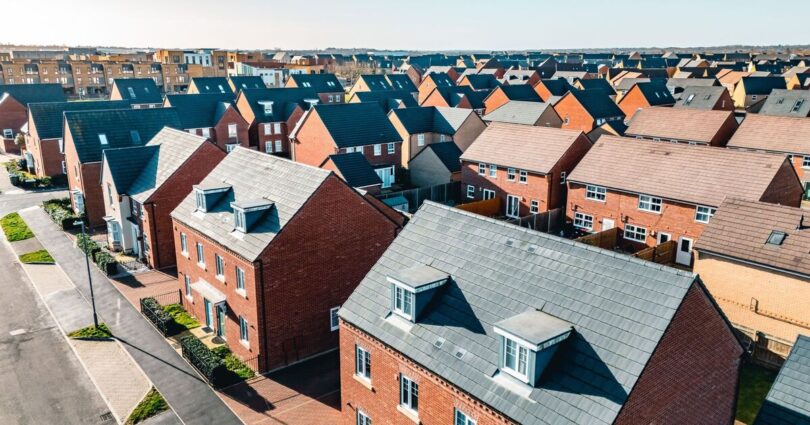
UK households are bracing for volatility linked to the war in Iran, as the ongoing conflict sparks fears of soaring inflation. High street lender TSB said it will put mortage rates up across all fixed rate deals by 0.5% from Wednesday, March 11, just 24 hours after confirming a 0.15% hike. TSB is among a number of mortgage lenders that have begun increasing their rates in anticipation that rising inflation caused by the Iran war will stop the Bank of England from cutting the base rate this month.
The Bank was previously widely expected to reduce rates on March 19, but some have predicted it could actually announce an increase as fuel and energy costs are sent soaring by trade disruption in the Middle East. Santander is also planning to increase rates by 0.24% on Wednesday, following hikes by Barclays and Halifax on Tuesday, March 10. Ken James, director at London-based Constractor Mortgage Services, urged borrowers to lock in mortgage deals quickly, warning that TSB’s rate button could be « permanently stuck on ‘increase' », with other lenders « sure to follow ».
He told Newspage: « Mortgage brokers across social media and other platforms are sending out a clear message that deals can disappear fast with lenders repricing at record speed. The safest strategy may be to secure a rate while it still exists.
« If you’re sitting on the fence about locking in a mortgage deal, you need to get your skates on because at the current pace, by the time you finish reading this post, the rate may have gone up again. »
Simon Bridgland, broker at Canterbury-based Charwin Private Clients, said it was « no surprise lenders are struggling to keep up and plan ahead » in such a « rapidly changing environment ».
He added: « When the wind changes direction again on rates, will borrowers be left huddling for shelter on higher rates or will lenders give them a decent opportunity to reverse the rapid increases? You can bet your bottom dollar that those dealing directly with a lender won’t be told about reductions in time for the borrower to action and get a better deal before their loans complete. »
*** Ensure our latest news headlines always appear at the top of your Google Search by making us a Preferred Source. Click here to activate or add us as Preferred Source in your Google search settings. ***
Professor David Miles, a member of the OBR’s budget responsibility committee, told MPs on the Treasury Committee that oil prices were around 20% higher than before fighting escalated, with gas prices up by 50%.
He said: « Right now, if prices don’t change from where they are – both the spot prices and market expectations for future prices, which is particularly important for the Ofgem price cap – we think the inflation rate would end the year not near 2% but nearer 3%.
« Material, significant, as yet not not on the same scale we experienced after the Russian invasion of Ukraine. [But] enough to be noticeable and completely unwelcome, because there’s no upside to all this – we are significant importers of both oil and gas. There’s nothing but negative effects from those price rises being higher.
« I’d have given you a different answer probably yesterday morning, and by the end of the week it could look different again. It’s not clear which way we go from here. »
Source link