
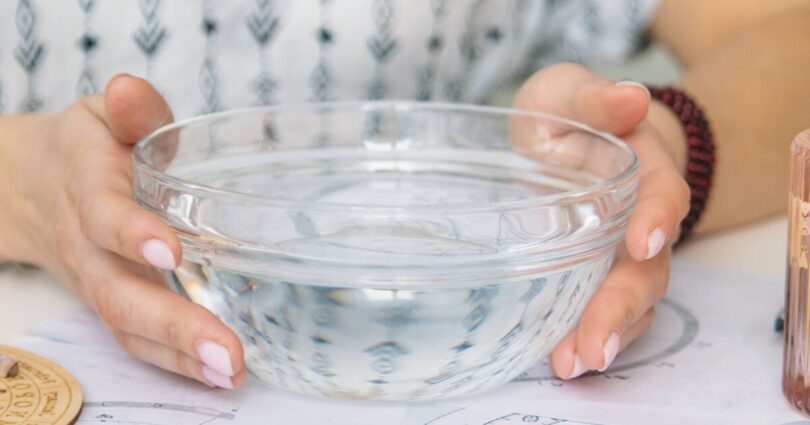
Britons are being encouraged to place bowls of water throughout their homes to help lower the risk of contracting Covid, flu or common colds. Currently, the UK is experiencing a severe and unusually early flu season, which health experts are describing as an « unprecedented wave » or a « worst-case scenario » for this period of the year.
An influenza strain called H3N2 (specifically subclade K) has emerged as the predominant variant nationwide and is causing increased illness rates, as it has been largely absent in recent years until now. Reports suggest that H3N2 also transmits more readily than typical strains, and has undergone more frequent mutations throughout the summer months.
One concerning factor about H3N2 is its elevated R number, representing the average number of people an infected person will pass it on to, which is higher than usual. Evidence suggests that 20% more people are susceptible to infection compared with a standard flu season.
Multiple hospital trusts have declared « critical incidents » due to the overwhelming number of flu patients. This surge in admissions coincides with a planned five-day walkout by junior doctors commencing on 17 December.
The Health Secretary described this as a « double whammy » of pressure on the NHS, reports the Mirror.
Despite modifications, the seasonal jab for 2025 maintains 70-75% effectiveness in preventing hospital admission amongst children and 30-40% effectiveness in adults. Free vaccinations are available if you’re aged over 65, expecting a baby, or living with a long-term health condition.
In the UK, flu season typically strikes during the winter months, from October to March, with peak activity usually observed between December and February. To curb its spread, health experts recommend frequent hand washing, maintaining fresh indoor air, and wearing face masks in crowded areas if you are feeling unwell.
Why leave bowls of water around the house?
Overly warm homes can cause the inside of your nose and throat to dry out, weakening your body’s natural defences and making you more susceptible to infections. If your nose and throat become dry, you’re at a higher risk of contracting any circulating viruses, including this year’s potent flu strain.
The ideal indoor humidity level ranges between 40% and 60%. Any higher could encourage mould growth.
This can be measured using an inexpensive device known as a hygrometer. Symptoms such as dry skin, static shocks, or a scratchy throat may indicate that the air is excessively dry.
If the humidity is low, placing a bowl of water near a heater or radiator, incorporating houseplants or using a humidifier, or letting in some fresh air can significantly boost the humidity. This helps keep your airways moist and aids in preventing viruses from lingering in the air.
Opt for a wide and shallow dish over a deep bowl to aid evaporation. Make sure the container is securely positioned to avoid spills, particularly when using a hot radiator.
It’s important to clean the bowls daily and, if feasible, utilise distilled water, as this can prevent the growth of bacteria, mould, or mineral buildup, which could potentially cause other health issues.
Source link