Conducting routine examinations to spot the potential signs of breast cancer remains crucial for detecting the condition at the earliest opportunity. The NHS says people should examine their breasts approximately once a month, with unexplained lumps being the most prevalent and recognisable warning signal.
However, there are a range of additional lesser-known indicators that should also raise alarm bells. Medical oncologist Dr Tiffany Troso frequently offers guidance and recommendations on TikTok for women on identifying cancer symptoms and managing the condition. She recently shared a video highlighting breast cancer signs which might not be as readily apparent as unexplained lumps, reports the Mirror.
The video is captioned: « When I hear someone say ‘I do self-exams every month looking for lumps so I thought I was safe’ and I think ‘I wish someone would have taught her about the other signs too’. »
Breast cancer is the most prevalent form of the disease across the UK, according to Cancer Research UK. The charity states that approximately 56,900 people are diagnosed with the condition throughout the UK annually.
Both women and men can develop breast cancer, although it is far more common in women. According to Cancer Research UK, fewer than one per cent of breast cancer cases in the UK affect men.
In the video description Dr Troso explained: « You do self exams every month checking for lumps. But after 25+ years in oncology, I’ve seen too many women miss early signs because they only knew to look for lumps. Breast cancer doesn’t always announce itself with a lump. »
Dr Troso highlighted other potential indicators of breast cancer:
- Changes in breast shape or size
- Dimpling or puckering of skin
- Nipple retraction or turning inward
- Unexplained nipple discharge, especially bloody
- Redness, scaliness, or thickening of skin
- Persistent itching or rash on the breast
- Swelling in armpit or collarbone area
- Changes in how the breast feels (warmth, heaviness)
She further explained: « Many women I’ve cared for discovered cancer through skin changes, not lumps. Others noticed their nipple looked different. Some felt a persistent ache.
« Self exams are important, but they’re only part of the picture. You need to know YOUR breasts and when something feels different, even without a lump. If you notice any of these changes, don’t wait. Call your doctor and advocate for evaluation. Early detection saves lives. But only if you know what you’re looking for. »
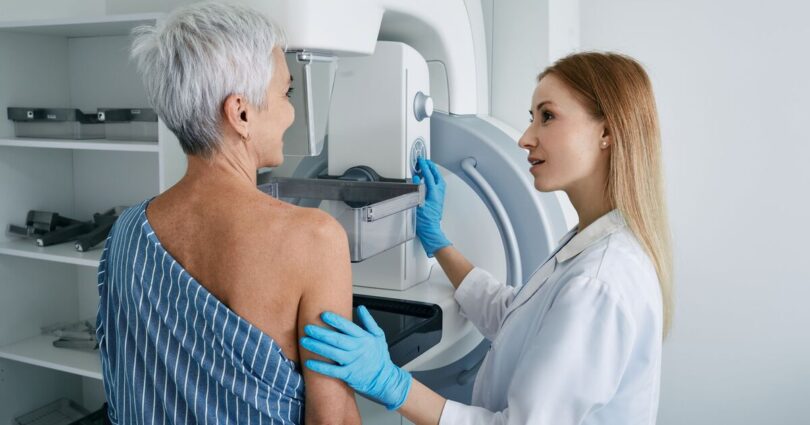
TikTok users praised the advice, with many recounting their own experiences with breast cancer. One user shared: « Mine was so so tiny no way it would have been found by me. Regular mammogram found it. Get your regular mammograms. It’s the best way to ensure that it’s caught early. »
Another user revealed: « Mine was caught in a mammogram checking on fatty deposits. So tiny that we wouldn’t have caught it till it was much too late. I’m having pain in that side and am going for another ultrasound and mammogram. It’s been 4.5 years. »
A third person commented: « General practitioners/doctors also need educating on the signs and symptoms of breast cancer also. Mine refused to send me to the breast unit because she couldn’t feel a lump. Two years on, I’m diagnosed with breast cancer and neither I or the consultant could feel a lump. It’s only one sign of breast cancer, not the only sign. »
One person shared: « Mine was asymptomatic. Picked up on a routine mammo. I’d had a breast exam five months prior with my PCP (Primary Care Provider) – nothing remarkable then. Pretty certain based on the growth rate of my tumour I managed to catch it within a couple months of it being detectable on mammo. »
Another user revealed: « I had nipple discharge and a lot of pain before lump appeared. »
The NHS advises that if you experience any of these symptoms, it’s crucial to consult your GP as soon as possible.
Source link