SYDNEY, AUSTRALIA – DECEMBER 15: Personal belongings left at the scene of a shooting at Bondi Beach (Image: Getty Images)
British tourists heading overseas this winter are being urged to learn a simple safety rule that could save their life in the aftermath of the murderous terror atrocity on one of the world’s most famous beaches. A Hanukkah celebration on Sydney’s Bondi Beach turned into chaos this month when two gunmen opened fire on crowds who had gathered for the joyous seaside event.
Families who had been enjoying food, music and prayer suddenly found themselves running for cover as shots suddenly rang out. At least 15 people were killed and dozens more injured before superhero Ahmed al Ahmed, 43, ran and tackled one of the crazed attackers before disarming him of his shotgun. Fruit shop owner Mr Ahmed suffered gunshot wounds to his hand and arm and has undergone emergency surgery.

chaos erupted as gunshots rang out (Image: UGC/AFP via Getty Images)
Read more: The 7 most sinister parcel scams designed to steal your money this Christmas
Read more: Australian rugby mourn ‘absolute legend’ on job at Bondi Beach killed in attack
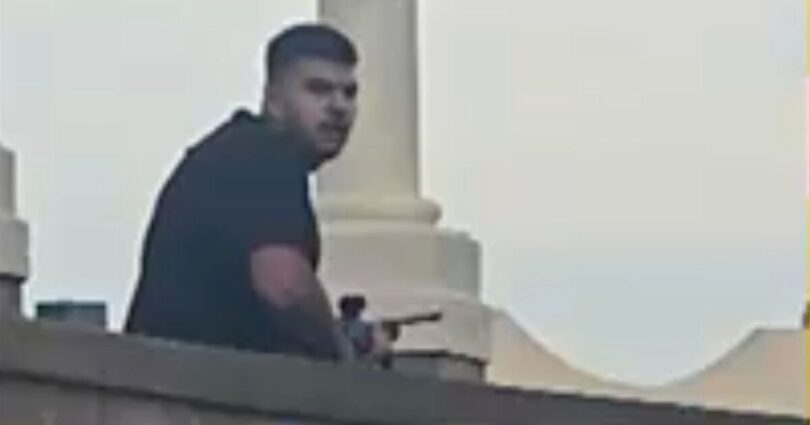
Witnesses told how the men had taken up a firing stance on a footbridge near the Bondi playground car park and « mowed down » people for 10 minutes, describing the scene as « absolute hell on Earth ».
Both suspects, who appeared to be wearing ammunition belts, were « neutralised », said police.

SYDNEY, AUSTRALIA – DECEMBER 15: Visitors to Bondi Pavilion lay flowers on December 15, 2025 in Sydn (Image: Getty Images)
One, named as Naveed Akram, 24, from Sydney, was shot and is in a critical condition in custody.
His father, aged 50, was shot dead. Police said the dad held licences for six guns – and six firearms were found at the scene. Two improvised explosive devices were discovered in a car. Their attack is believed to be related to terror group Islamic State.
The images of people fleeing the sand and promenade in seconds, along with a surge in online searches for terms like “Bondi Beach shooting” and “is it safe to travel to Sydney”, have raised fresh questions about how UK tourists can protect themselves in busy public spaces abroad.
But now analysts at AI SEO agency IMSR say people are also searching for more detailed information, including “Bondi Beach Hanukkah celebration” to understand the event that was targeted, “Bondi Beach victims” as names emerge, and “hero bystander” in reference to reports of a man who tackled and disarmed one of the gunmen.
Police and safety experts say the most useful thing people can do is remember three short words that are already part of official advice in the UK. The guidance, promoted by Counter Terrorism Policing, is simple: Run, Hide, Tell.
They stress that this rule is not only for terror attacks. It can also help in any violent incident involving weapons where people need to move away from danger quickly.

SYDNEY, AUSTRALIA – DECEMBER 15: Visitors mourn in front of Bondi Pavilion at Bondi Beach on Decembe (Image: Getty Images)
RUN: Get away from danger as fast as you can
The first step is to run. If there is a clear escape route, people are told to get away from the danger zone as quickly as possible. That means leaving bags behind, not stopping to film on a phone and not waiting to see exactly what is happening.
Experts say that in a shock moment the natural instinct for many people is to freeze, look around and try to work out what is going on. The official advice is to fight that urge. If others are running and there is a safe direction to go, the priority is to move.
Holidaymakers are encouraged to notice exits and side streets when they arrive at shopping centres, Christmas markets, stadiums or seafront events. Knowing where to go in advance can save precious seconds if something starts.

One killer was wrestled to the ground by a hero passer-by. (Image: -)
HIDE: Stay out of sight if you cannot escape
If it is not safe to run, or if escape routes are blocked, the next step is to hide. That means getting into a shop, cafe, stairwell or side room, locking or barricading the door if possible and keeping away from windows.
Police guidance suggests turning phones to silent and staying quiet while officers deal with the incident outside. People are told not to open the door until they are sure it is the police and to follow instructions once help arrives.
In busy tourist spots, this can be as simple as moving into the back of a restaurant, shutting a solid door and getting low behind thick furniture. The idea is to put as many barriers as possible between yourself and the threat.
TELL: Call for help when it is safe
The final step is to tell. As soon as it is safe, people should call the local emergency number and give clear information about where they are, what they have seen and how many people are hurt, if they know.
In the UK this means dialling 999. Abroad, travellers are advised to check emergency numbers when they arrive and save them in their phone along with hotel details. Even basic information, such as “shots fired at the main entrance of the shopping centre” or “people running from the beach stage area”, can help police and medics reach the right spot faster.
An ISMR spokesperson said: “Our data shows that after high profile incidents overseas, there is often a second wave of searches in the UK for general safety information, including basic tips for crowded places. Travel groups say this mix of money worries and safety concerns is shaping how many Britons plan their winter getaways. Most trips are safe, but habits matter
It’s important to remember that serious attacks remain rare and the vast majority of holidays go ahead without any safety incident and most busy tourist spots are well protected by local police.
“However, learning a simple rule like Run, Hide, Tell and taking a few seconds to notice exits and emergency routes is a sensible step for anyone heading into crowded places, whether at home or abroad.
“As British people look forward to December breaks, Christmas markets and New Year trips, the message is not to be fearful, but to be prepared. A little awareness, and a clear idea of what to do if the worst happens, can help travellers feel more confident wherever they go.”
Source link