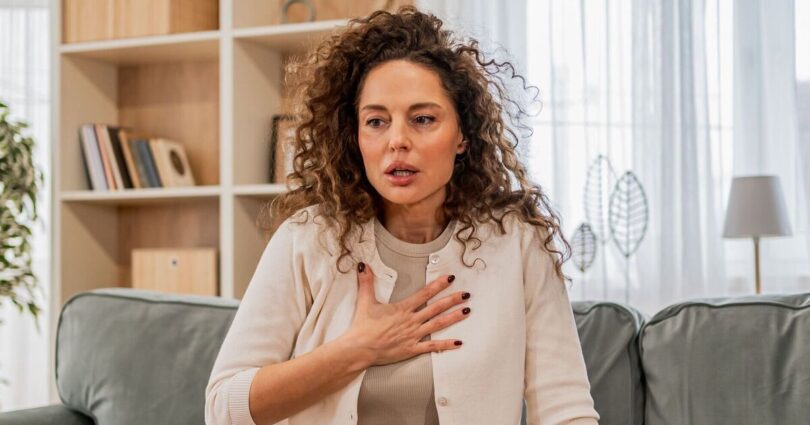
The cardiologist listed the ‘subtle’ signs that should never be overlooked (Image: Getty)
A cardiologist has issued a stark warning about a ‘silent killer’ health condition that must never be dismissed, particularly if three ‘subtle’ symptoms emerge. On the latest ZOE Science and Nutrition podcast, consultant cardiologist and heart specialist Dr Sanjay Gupta, MBBS, MRCP, MD, outlined the potential warning signs requiring attention.
The episode primarily examines high blood pressure, exploring its causes, treatment options and why it represents « not a disease », but rather a « scream for help ». High blood pressure remains the leading cause of heart-related fatalities in England.
High blood pressure, medically termed hypertension, has earned its ‘silent killer‘ reputation because it rarely presents obvious symptoms. Consequently, it can silently damage vital organs, especially the heart, brain, and kidneys, for years before detection.
This significantly increases the risk of life-threatening events, including heart attacks, strokes, and kidney failure, frequently until intervention becomes critical. The sole method of detection involves regular blood pressure monitoring, as the condition progressively deteriorates before serious complications arise, reports the Mirror.
In conversation with Jonathan Wolf, ZOE cofounder and CEO, Dr Sanjay Gupta explains high blood pressure earns its « silent killer » moniker because it generally produces minimal or no symptoms for most sufferers, despite causing organ damage over extended periods.
Read more: 3 measurements that could mean you have ‘higher risk’ of diabetes
Read more: Cardiologist urges all heart patients to ‘check three numbers’
He notes that only a small proportion develop recognisable warning signs, including:
- Fatigue.
- Headaches.
- Breathlessness during exercise (due to the heart working against higher pressure).
Apart from seldom producing noticeable symptoms, hypertension is also labelled a ‘killer’ because it increases the likelihood of heart attacks and strokes. Compromised arteries can result in blockages or ruptures affecting the brain or heart.
The heart becomes exhausted from pumping against elevated pressure, gradually weakening over time.
Diminished blood flow also impairs kidney function, potentially leading to kidney failure. Damage to blood vessels can affect the eyes and brain, leading to vision difficulties and cognitive decline.
When high blood pressure is not controlled, it can cause a lot of harm. Blood vessels can get hard or weak, which stops enough blood and oxygen from getting to important organs. But this ongoing damage can be stopped or managed with medicine for blood pressure and by making some changes in how we live.
He emphasises the significance of depending on measurements and organ examinations – for instance, retinal bleeding, heart thickening – rather than symptoms, as damage accumulates silently, resulting in dementia, strokes, heart failure, or kidney complications. He encourages viewers not to wait for warning signs and to instead check regularly.
Jonathan enquired: « Hypertension is often called the silent killer. Are there any symptoms that people at home could look out for themselves? » The health expert responded: « I think I mean certainly things like fatigue, headaches, breathlessness when you’re exercising because your heart has to work against a higher pressure. »

The health expert lists headaches as a warning sign (Image: Getty)
The podcast presenter enquired: « Will everyone who has high blood pressure have symptoms and therefore know that something is going wrong? » The medic responded: « Not at all. Only a minority of people who have elevated blood pressure actually develop symptoms to the extent that they know something is wrong.
« Our nutrition plays a huge role. My belief is that the food industry is bothered about our taste, not about our health. And so a lot of compromises are made and we’re consuming. All sorts of things that we have no idea of because they’re packaged in a way which is sold to us as healthy. »

Regularly monitoring your blood pressure is vital (Image: Getty)
When outlining some of the primary causes of elevated blood pressure, Dr Gupta explained: « I think alcohol plays a role. I think lack of sleep is huge. There are certain supplements which have been eroded in our diet. Magnesium, for example, due to modern farming methods, processing, and all those things, probably also has an impact on blood pressure.
« I think there are a ton of things in our environment, in our lifestyle, which contribute to essentially premature ageing of our blood vessels, which then become stiffer, and the blood pressure keeps going up. Obesity is a big thing, lack of exercise is a big thing. »
Dr Gupta also fiercely condemns treating high blood pressure solely with medication whilst ignoring underlying causes, describing it as a « disservice to patients ». He argues that blood pressure frequently serves as a symptom (« a scream for help ») of deeper problems such as poor lifestyle choices, obesity, inadequate nutrition, stress, and insufficient sleep – rather than being a disease in its own right.
High blood pressure: Doctor explains benefits of hibiscus tea
He maintained that doctors frequently prescribe tablets that reduce the readings, leading patients to believe the issue has been resolved, whilst the fundamental problems remain unaddressed. He suggests this approach could result in continued damage, evidenced when treated patients still suffer heart attacks or experience rising HbA1c (diabetes marker), demonstrating treatment failure.
He champions lifestyle modifications first (nutrition, physical activity, rest) for natural improvement, employing medications only when necessary, without compromising quality of life.
Our community members are treated to special offers, promotions, and adverts from us and our partners. You can check out at any time. Read our Privacy Policy
The NHS says: « High blood pressure is very common, especially in older adults. There are usually no symptoms, so you may not realise you have it. » Things that increase your chances of having high blood pressure include:
- your age – you’re more likely to get high blood pressure as you get older
- having close relatives with high blood pressure
- your ethnicity – you’re at higher risk if you have a Black African, Black Caribbean or South Asian ethnic background
- having an unhealthy diet – especially a diet that’s high in salt
- being overweight
- smoking
- drinking too much alcohol
- feeling stressed over a long period
Source link