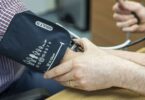

It affects a lot of people and many don’t realise they’ve got it (Image: Halfpoint Images via Getty Images)
Approximately one in three people across the UK suffers from high blood pressure (hypertension), with more than five million people in England remaining undiagnosed. When blood pressure levels become elevated, both arteries and the heart experience additional stress, potentially resulting in strokes, heart attacks, and various other medical complications.
Those living with high blood pressure frequently fail to recognise how it can affect their travel insurance coverage and consequently their access to emergency medical treatment whilst overseas. This makes disclosure absolutely critical when purchasing travel insurance, safeguarding yourself against the prospect of substantial medical expenses.
This warning comes from Grant Winter, compliance officer at specialist travel insurance provider goodtogo, who, together with Dr Kathryn Basford at Asda Online Doctor, has offered guidance for holidaymakers with high blood pressure, describing it as a « silent condition » since many remain unaware they’re affected.
Dr Basford said: « High blood pressure is very common and there are usually no symptoms, so you might not be aware that you have it. In the UK, about a third of people have high blood pressure, but may not be aware of it. Your chances of having high blood pressure increase as you get older and are higher if you have close relatives with the condition, have an unhealthy diet, are overweight, smoke, drink too much alcohol, and are stressed over a long period of time.
« If you have high blood pressure and it is untreated, you could be increasing your risk of serious conditions such as heart disease or failure, heart attack, stroke, kidney disease and vascular dementia. Making healthy lifestyle changes, like having a healthy, balanced diet, regular exercise and losing weight if necessary. If you are unsure whether you have high blood pressure, or might be at risk, you can get it checked at a pharmacy or GP surgery. »

It needs to be declared before travel, or risk problems abroad (Image: andreswd via Getty Images)
While high blood pressure isn’t a condition that will stop you from travelling, it does influence how you ought to prepare for your getaway, particularly when arranging travel insurance.
How can high blood pressure affect your travel plans?
Grant said: « High blood pressure is considered a pre-existing medical condition, so if you are aware of it, or have been treated for it in the past, it is important that you declare the condition when buying travel insurance. This will ensure that you are protected against the risks of large medical bills, should you need treatment while you are abroad.
« High blood pressure should not act as a barrier to travel and there is no reason you cannot fly with the condition. If you have not had your blood pressure checked for over a year, it is worth seeing a GP to check it before heading on holiday.
« Many people fall under the false impression of thinking that if they are taking tablets to control their high blood pressure, they don’t need to declare it. However, this is absolutely not the case, and failing to declare high blood pressure can invalidate your insurance policy. If you were to experience a medical emergency while on holiday, like a heart attack or stroke, and you failed to declare your high blood pressure medication when purchasing travel insurance, you could face medical bills amounting to many thousands of pounds.
« The good news is that declaring high blood pressure doesn’t necessarily mean that the price of your travel insurance will increase. If the condition is well-managed with medication, insurers often offer specialised policies that cover related risks without significant cost increases. »
What about your medication?
Grant said: « Make sure that you have enough medication to last the duration of your trip. It’s also worth bringing a copy of your prescription with you, in case you lose your medication and need to get some more from a chemist or doctor while abroad.
« If you are travelling to a different time zone, try to adjust the time you take your tablets accordingly to make sure you are not taking more than one dose within 24 hours. »
Knowing the risks of a long-haul flight Dr Basford stated: « Flying with high blood pressure is generally safe, but long flights can increase the risk of Deep Vein Thrombosis (DVT). There are several precautions you can take against this, like staying hydrated, avoiding alcohol, and staying mobile throughout the flight. Consult your doctor before flying to make sure you are taking the right precautions and your treatment is as effective as it can be. »
Source link