
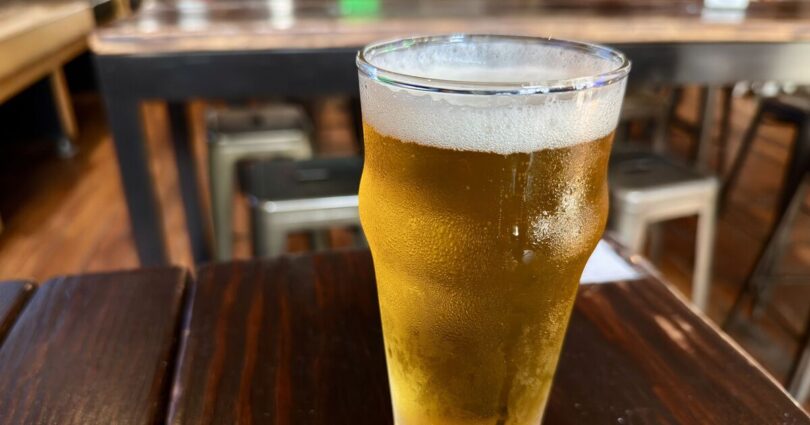
The price of pints could get even higher in the near future as the war in the Middle East continues. Not only have drivers noticed higher prices at the petrol pumps, but experts have also warned shoppers about higher costs in the supermarket, with things like rice, pasta and bread potentially getting much more expensive. Molly Monks, insolvency expert at Parker Walsh, said the rising costs of oil could quickly filter through to the beer sector because pubs, bars and breweries are highly exposed to both energy and transport costs.
« Beer businesses are particularly vulnerable when oil and gas prices rise because the impact is felt at several different points in the chain, » she said. « Breweries face higher production and distribution costs, while pubs and bars are then hit again through refrigeration, lighting, heating and other day-to-day running costs. » Concerns have already been raised over pubs amid increasing business rates, energy costs and labour costs, prompting Rachel Reeves to announce a relief package for struggling boozers back in January.
She added: « Bigger operators may be better placed to negotiate supply contracts or spread costs across a larger estate,” she explained.
« Independent pubs and brewers do not always have that protection, which means sudden cost increases can put immediate pressure on cash flow. »
Zhe said continued pressure could eventually lead to higher prices for punters at the bar. « What begins as a geopolitical crisis can very quickly become a real issue for everyday UK businesses and for the people using them, » she said.
« Beer sits at the heart of both social life and consumer spending. When it starts to reflect wider pressures, it’s often a sign households and businesses are feeling the strain. »
As well as pubs, consumers will notice the effects on supermarket shelves. « Global conflicts, along with climate change, are causing food shortages, supply chain issues and price spikes in the UK and beyond, » said Jim Mellon, an investor and Chief Executive of Agronomics. Meanwhile, retail analysts at Omnisend said that oil and gas prices will make the transport of goods more expensive, which will eventually be felt in the final price displayed in shops.
« That extra cost rarely disappears, and most of Britain’s biggest retailers will likely do anything to avoid it impacting their margins, so unfortunately, it tends to be passed down the chain, while making sure to avoid deterring consumers entirely, » said retail analyst Marty Bauer.
Source link