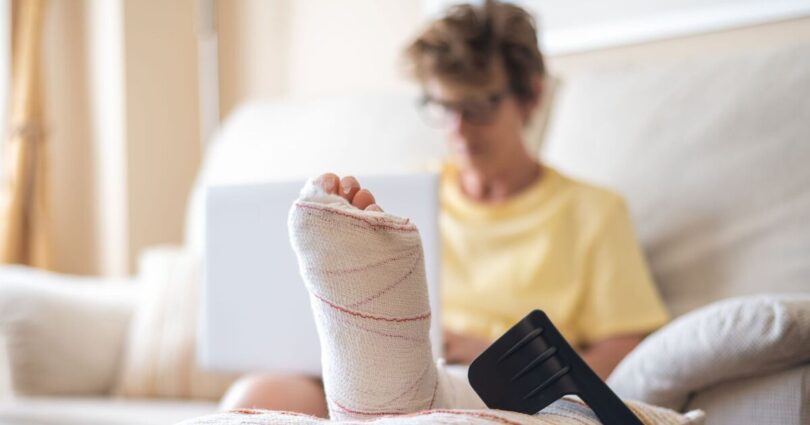
Thousands of women suffer broken bones every year (Image: Getty)
More than three million people across the UK have a condition which puts them at greater risk of fracturing a bone. Osteoporosis, sometimes called « brittle bone disease », leaves people with more fragile bones which means they are at greater risk of breaking.
It is estimated this plays a major part behind the 500,000 fragility fractures people suffer every year. More than half of women over 50 experiencing a break – and while often this is inconvenient it can also affect their quality of life. Ella Kaur, Nutritional Therapy Practitioner at supplement brand, DR.VEGAN , says people can make some easy changes which can cut the risk of them breaking a bone – including looking at what they eat. »
Read more: Seven menopause signs that aren’t hot flushes – including crawling skin
Read more: New dementia test shows which women at risk ‘decades before symptoms appear’
She says: « Looking after bone health becomes increasingly important as we age. Strong bones don’t just help prevent fractures – they also support mobility, posture and overall quality of life. Bone health is particularly important for women approaching menopause. Oestrogen helps protect bone density, so when levels decline during menopause, bone loss can accelerate. Post-menopausal women may lose up to 3% of their bone density each year, which is potentially up to 30% over a decade.
« This contributes to a growing risk of osteoporosis later in life, and according to the Royal Osteoporosis Society, around half of women over the age of 50 will break a bone due to osteoporosis during their lifetime. The good news is that bones are living tissue that constantly break down and rebuild.
« This means diet and lifestyle can play an important role in supporting bone strength, particularly through nutrients that help maintain bone structure. » She adds: « Ultimately, strong bones rely on a balance of nutrients including calcium, vitamin D, magnesium and protein. « A varied diet, alongside regular exercise and healthy lifestyle habits, can help support bone health throughout life.

It makes people more at risk of fractures (Image: Getty)
The expert recommends six foods to include in your diet to support healthy bones. Here’s what she says:
Dairy and fortified plant milks
Calcium is a key building block for bones, and dairy products such as milk, yoghurt and cheese are well-known sources. Plant-based alternatives like almond, oat or soy milk are often fortified with calcium and vitamin D, helping the body absorb calcium more effectively.
Leafy green vegetables
Vegetables such as kale, broccoli and bok choy provide calcium and vitamin K, which helps regulate bone metabolism and supports calcium absorption.
Fatty fish
Salmon, mackerel and sardines are rich in vitamin D and omega-3 fatty acids. Vitamin D is essential for calcium absorption, meaning the body cannot properly use dietary calcium without it. Many people have low vitamin D levels, particularly during winter months, when sunlight exposure is limited.

Leafy green vegetables can help (Image: Getty)
In these cases, supplements can help fill nutritional gaps. Ella said these – for example – can include formulations like DR.VEGAN’s OsteoFriend are designed to support bone health with a blend of key nutrients.
Nuts and seeds
Almonds, sesame seeds and chia seeds are good sources of magnesium, a mineral that works alongside calcium to support healthy bone structure. Magnesium is involved in hundreds of processes in the body, yet many adults don’t get enough through their diet.
Low-sugar foods
High sugar intake can negatively impact bone health. Excess sugar can make the body more acidic, causing calcium to be released from bones to restore balance. Reducing refined sugar may help preserve calcium stores.
High-protein foods
Protein is often overlooked in relation to bone health, but it plays a key role in maintaining bone strength. Foods such as eggs, fish, lean meat, beans, lentils and tofu support bone repair and help maintain muscle mass, which is important for reducing the risk of falls.
Source link