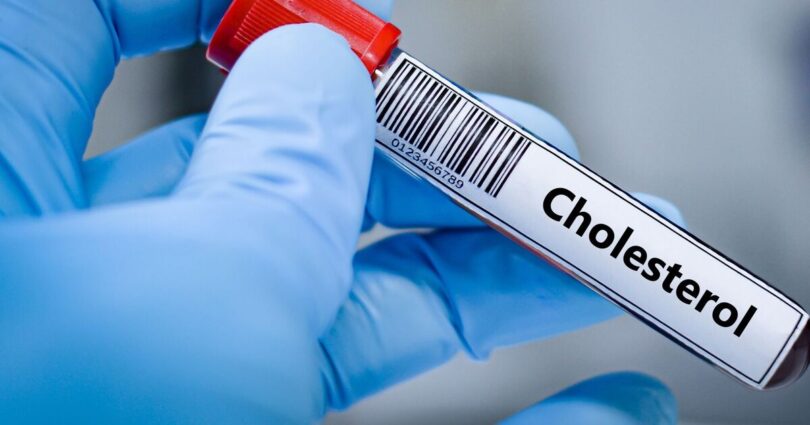
Cholesterol is essential for good health, but too much can lead to serious and potentially deadly health issues. NHS data shows that approximately 59% of adults have high cholesterol levels, which increases their risk of heart disease or stroke.
This is because it can narrow arteries and cause a build up of fatty material known as atherosclerosis. It is dubbed a silent killer because it has no symptoms, yet it is a major health risk which can prove fatal if not dealt with.
According to the NHS, some people are more at risk than others, including people over 50, men, women who have gone through the menopause or those of South Asian or sub-Saharan African origin. It can also run in families.
It can also be caused by eating fatty food, lack of exercise, being overweight, smoking and drinking alcohol. However there are some simple rules to follow and some easy changes can help cut the risk of developing the condition as well as working to lower the levels in those already with it.
The NHS warns: « Too much cholesterol can block your blood vessels. It makes you more likely to have heart problems or a stroke. High cholesterol does not usually cause symptoms. You can only find out if you have it from a blood test. »
What is high cholesterol
Cholesterol is measured by a blood test. This can measure:
These will be looked at along with factors such as age, blood pressure and other health conditions to estimate the risk of cardiovascular disease.
What is a good target level depends on things like your age, whether you have any health conditions and your risk of cardiovascular disease. These levels are a guide for healthy adults.
Those who have been ill, are taking some medicines, or have recently had a baby, might have different levels and it does not make much difference whether you have eaten before your test or not. The figures show what is a healthy level in each category.
Ways to lower cholesterol
To reduce your cholesterol, try to cut down on fatty food, especially food that contains a type of fat called saturated fat.
You can still have foods that contain a healthier type of fat called unsaturated fat.
Check labels on food to see what type of fat it has in it.
- oily fish, like mackerel and salmon
- olive oil, rapeseed oil and spreads made from these oils
- brown rice, wholegrain bread and wholewheat pasta
- nuts and seeds
- fruits and vegetables
Try to eat less:
- meat pies, sausages and fatty meat
- butter, lard and ghee
- cream and cheese
- cakes and biscuits
- food that contains coconut oil or palm oil
Exercise more
Aim to do at least 150 minutes (2.5 hours) of moderate intensity exercise or 75 minutes of vigorous intensity activity a week. Some good things to try when starting out include:
- walking – try to walk fast enough so your heart starts beating faster
- swimming
- cycling
Try a few different exercises to find something you like doing. You’re more likely to keep doing it if you enjoy it.
Stop smoking
Smoking can raise your cholesterol and make you more likely to have serious problems like heart attacks, strokes and cancer. If you want to stop smoking, you can get help and support from:
Cut down on alcohol
Try to:
- avoid drinking more than 14 units of alcohol a week on a regular basis
- spread your drinking over 3 or more days if you regularly drink as much as 14 units a week
- have several drink-free days each week
The NHS adds: « Ask your GP for help and advice if you’re struggling to cut down. »
Source link