
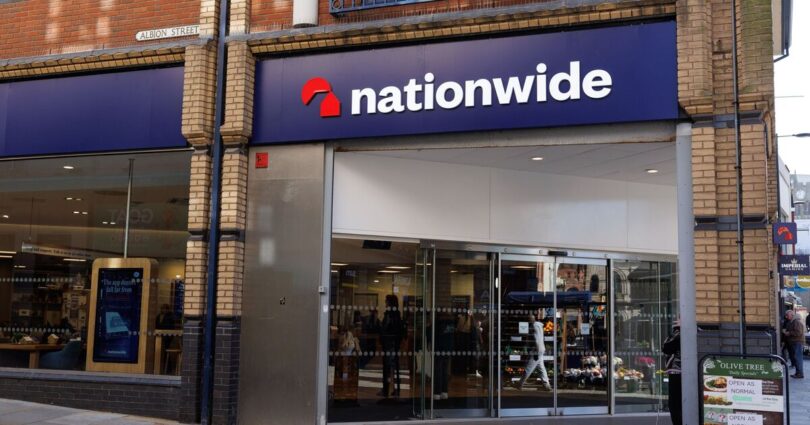
People have been warned (Image: Getty)
With spring in full swing, many Brits are eagerly anticipating a well-deserved break. But if you receive a call from someone claiming to be from Nationwide about payment issues or a refund, verify it through the app, as it could be a scam.
For example, if you receive a call from someone claiming to be from your bank, such as Nationwide, regarding a refund or payment issue, don’t rely solely on what they say. Nationwide customers can =use the Call Checker feature in the app to quickly verify incoming calls.
Complementing the existing Scam Checker service, Call Checker instantly confirms whether a call is genuine, giving customers an extra layer of security.
How to check you’re talking to Nationwide
- Open the app
- Tap “More »
- Tap « Call Checker »
- The screen will show either “You’re on a call with [name]” or “You’re not on a call with us.”
Which holiday scams should I look out for?
Scammers are always looking for ways to steal your money, and with the holiday season around the corner, their tactics are ramping up. They may call claiming to be your bank, saying a travel insurance payment has failed, a holiday instalment is overdue, or that you’re owed a refund.
These messages are designed to create urgency, making you worry about your plans and in the rush, you could hand over personal details without thinking. Nationwide warns that 25% of younger people aged 25–34 would call back an unknown number – this is a risky move that scammers count on.
Read more: NHS Doctor shares 8 questions to ask GP during ‘daunting’ appointments
Read more: You could lower risk of diabetes and stroke with ‘underrated’ Aldi snack
Lloyds holiday scams
Nationwide is not the only bank to warn customers about scams. According to Lloyds Bank, there are several scams to watch out for. This includes:
If you find a cheap holiday home, be cautious, especially if someone urges you to pay by bank transfer. Stick to companies that are ABTA or ATOL protected, or use a payment method with buyer protection, like a credit card. For Airbnb or Booking.com, always pay through the platform, not directly to the host. If you get emails saying your payment didn’t go through, check the website before doing anything.
Fraudsters often target people when flights or accommodations are cancelled. If someone calls claiming to be a refund agent, be cautious. Always check the official website or contact the company directly before sharing any personal information.
Watch out for flights that seem too cheap, as fraudsters can sell tickets that don’t exist. They might ask for extra fees, then vanish once you pay. Always book through ABTA or ATOL-protected companies. If you get emails about missing payments, contact the provider directly before paying anything.
Be careful with social media giveaways as scammers may pretend to be a brand, ask you to share a post, and then contact you claiming you’ve won. They’ll try to get your personal info or card details, so always check the brand’s official website. If the giveaway isn’t there, it’s likely a scam.
Is it really a message from Lloyds?
Just like Nationwide, Lloyds customers can also protect themselves. The bank stresses that they will « always include your name, and the last four digits of an account you have with us, so you know our emails are genuine. We may also send you links to our secure app, to take you straight to the information you need. »
- Send you to a web page that asks for your login, personal or banking details.
- Tell you to move money to another account.
- Ask you to make a test payment online.
- Link directly to its Internet Banking login page.
It adds: « If you’re not sure that an email is from us, forward it to emailscams@lloydsbanking.com and delete it. You can also speak to us through the Mobile Banking app or Internet Banking. »
It also notes that genuine companies won’t « call out of the blue to tell you to move your money. » Encouraging people to hang up, it stresses that the « longer you talk with a fraudster, the more chance they have to trick you into moving your money. »
Source link