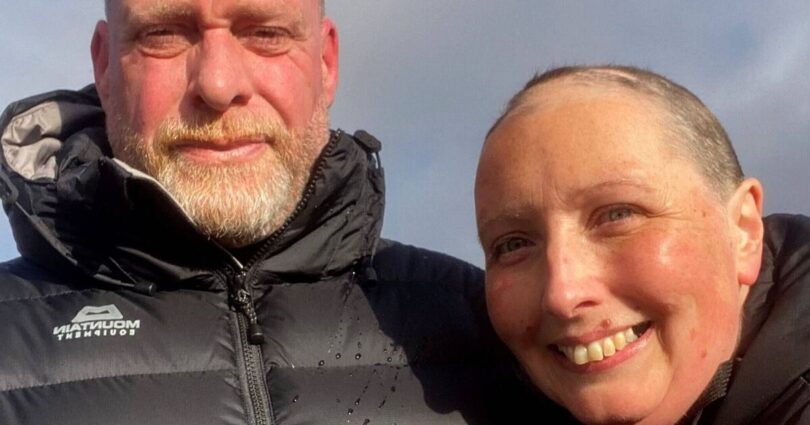
Lizzie Pitt with husband Al (Image: Brain Tumour Research/SWNS)
A mother who attributed her migraines to the pressures of relocating was subsequently diagnosed with a terminal brain tumour. Lizzie Pitt, 46, experienced sudden nausea in February 2025 and her son Felix, then 10, discovered her on the floor « acting weird ».
She put it down to the strain of moving home and « juggling » work and family commitments, but when she lost control of her legs during the night she was taken urgently to Airedale Hospital in Yorkshire. Scans revealed a brain tumour, which she was initially informed was not cancerous, and she underwent surgery to remove the majority of the growth.
The full-time art teacher and special educational needs and disabilities coordinator (SENDCo) was subsequently informed she had grade 4 glioblastoma – and was given six months to live without treatment. She has since received chemotherapy and radiotherapy and electrical hyperthermia immunotherapy treatment to extend her life.
Lizzie, from Hawkswick, North Yorkshire, said: « My brain tumour journey began completely out of the blue. Felix, who was 10 at the time, found me on the floor ‘acting weird’, which we thought was a migraine or stress as I kept repeating how sick I felt.
« We’d just moved house and I was juggling work and family life, so this felt plausible. But during the night, I realised my legs weren’t working properly, and when I saw I’d bitten through my tongue, I knew something wasn’t right. »

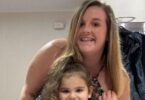
Lizzie Pitt with children Felix and Rowan (Image: Brain Tumour Research/SWNS)
Read more: ‘Wake up truly refreshed’ by understanding one thing about sleep
Read more: Woman thought she was ‘lazy’ until doctors discovered 12kg tumour
Lizzie – who is mother to Rowan, 18, and Felix, 11 – was rushed to hospital following her seizure. She said: « After calling 111, an ambulance was sent, and following numerous tests and scans at Airedale Hospital, doctors found a brain tumour. They couldn’t tell me much more and sent me home to wait for Leeds General Infirmary to contact us.
« Five weeks later, my husband, Al, and I attended my appointment, where we were told the tumour wasn’t thought to be cancer. They advised me to go back to work and told me surgery would take place in August 2025. But after two further scans, everything changed. I was called back in and told the tumour was becoming aggressive. »
Lizzie’s procedure was brought forward by four months and she underwent an awake craniotomy in April 2025, with surgeons removing the bulk of the tumour. She experienced temporary mobility issues after the operation, spent four days in hospital and required two blood transfusions before being discharged.
However, she then received a telephone call with devastating news.

Lizzie Pitt was diagnosed with glioblastoma after suffering a seizure at her home in February 2025 (Image: Brain Tumour Research/SWNS)
« I was told they had got it wrong and that my tumour was actually glioblastoma, grade 4, and terminal, » Lizzie said. « I was given six months without treatment, or 12 to 18 months with treatment, and I was in total shock.
« Glioblastoma had never once been mentioned, so I felt utterly let down. Despite the prognosis, I went home determined to learn everything I could. I felt fit and well and struggled to reconcile that with what I was reading, but with the help of friends I began navigating the frightening world of glioblastoma research and trying to work out what was credible and worth pursuing. »
Lizzie commenced combined radiotherapy and chemotherapy at St James’ Hospital in Leeds, with friends organising a rota for the 90-mile round trip following the loss of her driving licence. The mother then started electrical hyperthermia immunotherapy treatment in London under the supervision of a consultant medical oncologist, financed through community donations to her GoFundMe page.
« I’m still the same Lizzie I was at the start of 2025, just living with an uninvited lodger, » she said. « Physically, I remain active and well, but emotionally this diagnosis has changed our family forever.
« We can no longer plan ahead as we once did, and while I miss being able to work full-time, I am determined to remain hopeful and to see my children grow up. I’m incredibly grateful to be able to undergo electrical hyperthermia immunotherapy in London, which has only been possible thanks to the generosity of those who supported my GoFundMe, particularly our school community. I have also begun phase two of chemotherapy and continue to explore every option available to me. »
Lizzie is speaking out to raise awareness and champion Brain Tumour Research. The charity has committed £2.6 million towards establishing a new Centre of Excellence at the University of Nottingham, driving forward progress in developing enhanced glioblastoma treatments.
« I want to share my story to raise awareness of the devastating impact a brain tumour diagnosis has on people and families every single day, » she said. « While I am incredibly grateful for the surgical care I received, I have faced multiple diagnostic errors and have had to self-advocate throughout my journey.
« I’ve explored nutrition, integrated oncology, repurposed drugs, and emerging treatments, many of which are only accessible through private funding. If there’s one thing I’ve learned, it’s that no one expects to be here, until they are. Brain tumours do not discriminate, and people deserve better clarity, better options, and better hope than currently exists. »

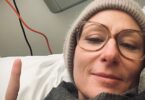
Lizzie Pitt in hospital (Image: Brain Tumour Research/SWNS)
Ashley McWilliams, community development manager at Brain Tumour Research, said: « Lizzie’s story highlights the urgent need for better diagnosis and more effective treatments for aggressive tumours like glioblastoma. Despite being one of the biggest cancer killers of children and adults under 40, brain tumours remain chronically underfunded.
« We urgently need greater investment in research and to expand access to innovative clinical trials, so patients are not faced with the impossible choice of having to fundraise privately to pursue potential treatments.
« That is why support for our Nottingham Centre of Excellence is so vital. The Centre is focused on improving understanding of glioblastoma recurrence and accelerating the development of new treatments. Every donation helps us move closer to finding a cure and giving patients like Lizzie and those diagnosed in the future, real hope. »
Source link