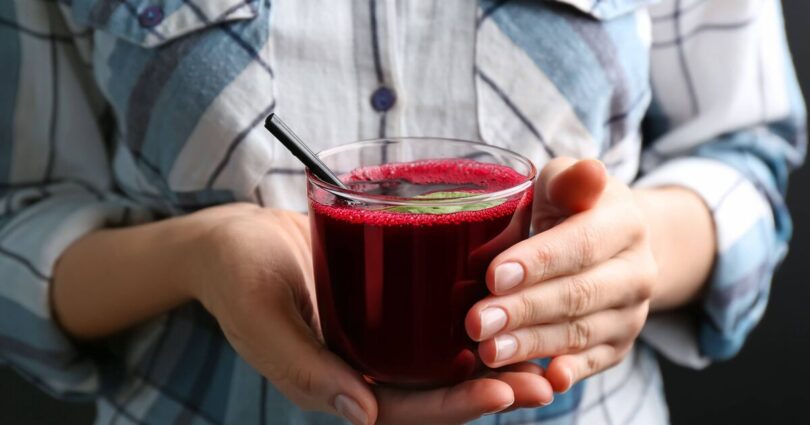
The juice is a rich source of dietary nitrates (Image: Getty )
Research has indicated that a daily glass of one specific type of beverage can have a positive effect on high blood pressure, potentially reducing it to a ‘normal range’. Approximately one in every three adults in the UK – around 16 million people – has high blood pressure (140/90 mmHg or higher).
Up to five million people in the UK might be living with high blood pressure without being aware of it. It is often referred to as a ‘silent killer’ since it typically doesn’t present any symptoms.
The British Heart Foundation (BHF) states: « The first time you may find out that you have high blood pressure is when you have a stroke or a heart attack. »
High blood pressure can damage the walls of the arteries, which can result in coronary artery disease and strokes. It can also injure the heart muscle, potentially leading to heart failure.
Why can drinking beetroot juice help blood pressure?
According to scientists and cardiologists, a daily glass of beetroot juice could help naturally lower high blood pressure as part of a healthy lifestyle, balanced diet, and exercise routine. Whilst beetroot juice isn’t a substitute for medication or medical advice, researchers suggest it could be a simple addition to a heart-healthy regimen, reports the Mirror.
Read more: Exercising at this time of day could slash risk of heart disease
Read more: Urgent warning to anyone with high blood pressure as tablets recalled
The naturally occurring nitrates in beetroot may help maintain healthy blood pressure levels. When beetroot is consumed, nitrates convert into nitric oxide within the body. This facilitates the relaxation and widening of blood vessels, a mechanism known as vasodilation.
Studies demonstrate that consuming beetroot juice can reduce systolic blood pressure by approximately four to five mmHg and diastolic pressure by roughly two mmHg. Foods rich in nitrates include leafy greens and root vegetables.
Evidence suggests that regular consumption of beetroot juice can help manage blood pressure in individuals with hypertension. It enhances oxygen delivery to muscles, thereby reducing soreness and improving exercise performance. Beetroot juice is also a valuable source of potassium, vitamin C, and antioxidants.

High blood pressure is often called a ‘silent killer’ (Image: Getty)
What have studies shown?
Research conducted by scientists at Queen Mary University of London discovered that patients with high blood pressure who consumed a daily 250ml glass of beetroot juice experienced a reduction in blood pressure. For numerous patients, this decrease was substantial enough to restore their blood pressure readings to the ‘normal’ range.
Scientists attribute the reduction most likely to beetroot – and other leafy green vegetables such as lettuce and cabbage – containing elevated levels of the compound ‘inorganic nitrate’. The potential significance of these findings is considerable as large-scale observational studies indicate that each 2mmHg rise in blood pressure increases the risk of death from heart disease by seven per cent and stroke by 10 per cent.
The research also discovered that whilst effects were most pronounced three to six hours following consumption, they remained apparent 24 hours later. When participants ceased drinking the juice, their blood pressure returned to its elevated levels. The study noted no adverse side effects, although it can cause urine to turn pink.

Other nitrate-rich foods include leafy greens and root vegetables (Image: Getty)
Professor Amrita Ahluwalia, Lead Author, Queen Mary University of London, said: « This research has proven that a daily inorganic nitrate dose can be as effective as medical intervention in reducing blood pressure and the best part is we can get it from beetroot and other leafy green vegetables. »
A separate study from 2025 by researchers at the University of Exeter, which used Beet It’s concentrated Beet It Sport shot, found that its ability to lower blood pressure was especially notable among older people. It was likely due to specific changes in their oral microbiome, which is the bacteria that live in the mouth and help convert dietary nitrate into nitric oxide.
Co-author Professor Andy Jones, of the University of Exeter, said: « This study shows that nitrate-rich foods alter the oral microbiome in a way that could result in less inflammation, as well as a lowering of blood pressure in older people. This paves the way for larger studies to explore the influence of lifestyle factors and biological sex in how people respond to dietary nitrate supplementation. »
Barnaby Mallinson, managing director of James White Drinks, which includes Beet It beetroot juice, said: « Beyond its vibrant colour, beetroot juice is naturally rich in dietary nitrate, which studies have shown supports with everything from circulation and lowering high blood pressure to improving athletic performance. The way that dietary nitrate works is that, when consumed, it is converted by the body into nitric oxide, which relaxes blood vessels to allow blood to flow more freely. »
Our community members are treated to special offers, promotions, and adverts from us and our partners. You can check out at any time. Read our Privacy Policy
Are there any significant considerations?
The BHF states: « There’s a lot of marketing about beetroot juice’s benefits, but there is not yet enough scientific evidence to give specific dietary recommendations. While research, including some funded by the British Heart Foundation, has linked beetroot juice to reduced blood pressure, the studies so far have only included small numbers of people.
« The best way to manage high blood pressure (hypertension) is to take any medication you’ve been prescribed by your doctor, keep physically active, and eat healthily. While it is not a magic bullet to reduce blood pressure, beetroot can be enjoyed as part of a healthy diet, a third of which should come from fruits and vegetables.
« If you drink beetroot juice, remember a 150ml portion only counts once a day towards your five-a-day and naturally contains around 10g of sugar. We should limit how much sugar we have, including sugars from fruit and vegetable juices, to 30g per day. Concentrated ‘shots’ of beetroot juice often contain more nitrates per millilitre but more sugar too, so check the label. »
If you are taking medication to lower your blood pressure, ensure you speak to your doctor before you begin drinking beetroot juice regularly. If your blood pressure drops too low, it could also damage your health. Beetroot is rich in oxalates, which can increase the risk of kidney stones in those who are susceptible.
Source link