
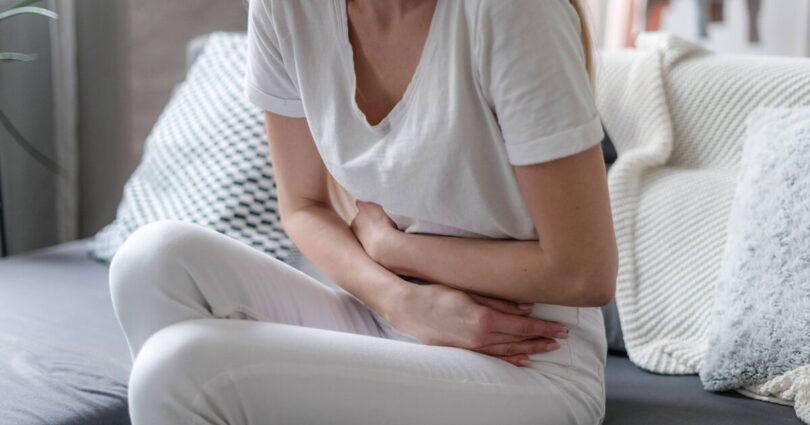
A gut health specialist warned that five common foods could increase the risk of food poisoning (Image: brizmaker via Getty Images)
Food poisoning is, regrettably, a relatively widespread occurrence, and if you’ve ever experienced a bout of it, you’ll be well aware of just how miserable it can be. Symptoms such as vomiting and nausea can be notoriously difficult to overcome, and this condition can also cause severe damage to your overall gut health, according to specialists.
It can be triggered by a wide variety of factors, from inadequately cooked meat to reheated leftovers. However, if you’re keen to maximise your chances of steering clear of food poisoning in future, one gut health scientist has highlighted certain foods that might be best avoided altogether. Jonathan Haworth, also known as Mr Gut Health on TikTok, regularly shares practical advice and recipes for those looking to give their gut microbiome a boost.
READ MORE: Adding 1 thing to breakfast can improve gut health and help with metabolism
READ MORE: One drink is best for hydration and it’s not water or a sports drink

Oysters can be a major cause of food poisoning (Image: Getty Images/Lonely Planet Images)
He said: « I avoid these foods because they’re most likely to cause food poisoning. Food poisoning increases your risk of having long-term gut health problems such as post-infectious IBS. »
Oysters
This much-loved delicacy may be regarded as an aphrodisiac, but the expert cautioned that there is ‘nothing sexy’ about the symptoms you could endure after consuming them, reports SurreyLive. He said: « Oysters are filter feeders so they pick up everything in the water, including bacteria. »
The NHS even carries a specific warning about oysters on its website, explaining: « Most of the shellfish we eat is cooked first, but oysters are often served raw. Raw shellfish, particularly oysters, can contain low levels of certain viruses, such as norovirus. If you are serving oysters raw, be especially careful when buying and storing them. »
Ensure our latest headlines always appear at the top of your Google Search by making us a Preferred Source. Click here to activate or add us as your Preferred Source in your Google search settings.

Sushi should always be eaten on the day it’s prepared (Image: Getty Images/iStockphoto)
Rare beef burgers
The expert cautioned: « Don’t order your beef burgers rare, it’s not the same as getting a steak. Beef burgers are typically made from mince meat, so all the bacteria on the outside gets mixed in together. Make sure you order them at least medium well. »
Leftover sushi
This beloved Japanese delicacy has become a staple in the UK as well, but if yours has been sitting in the refrigerator for a couple of days, it’s probably best to discard it.
The specialist noted: « Most fish used to make sushi is actually frozen to kill the parasites and bacteria but it goes off really quickly once prepared. So make sure you eat it all in the same day. »
Displaying a packet of supermarket sushi bearing a yellow reduced-price label, he cautioned: « And if you’re buying this stuff then you’re just asking for it, really. »
Sprouts
These are excellent for providing a crisp texture to your stir-fried meals, but according to the specialist, the manner in which they’re grown can make them a hotbed for bacteria.
He said: « Sprouts are grown in warm conditions and we don’t typically cook them. They’re responsible for at least one outbreak of food poisoning every year. I know they’re supposed to be superfoods, but the risk isn’t worth the reward in my opinion. »
Bagged salads
This may come as quite a surprise, given that a bag of salad is a staple feature on countless people’s weekly shopping lists. They’re ideal for adding a nutritious boost to your lunches and dinners, particularly when you’re short on time to prepare a salad from scratch.
However, the expert has cautioned that they are responsible for a considerable number of food poisoning cases.
He said: « How bad is this? 22 percent of all food poisoning cases in the last decade [in the US according to the CDC] have been linked to salads. To put that into perspective, seafood accounts for about six percent of all cases. »
According to the specialist, the reason these pre-packaged salads pose such a risk is due to the sheer number of potential cross-contamination points. He added: « And inside of the bags are always moist, and that’s the perfect environment for bacteria to proliferate. »
Source link