
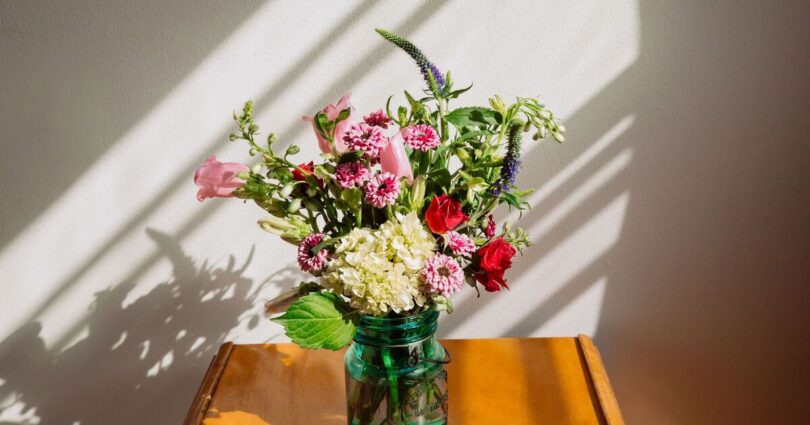
Keeping flowers indoors in April can cause you more harm than you realise (Image: Getty)
Households across the UK are being urged to stop keeping fresh flowers indoors this April for one key reason. Forecasters warn that this year’s pollen season has arrived earlier than expected.
The Met Office says a relatively mild winter followed by recent spells of warm, dry weather has created ideal conditions for pollen production, meaning millions of hay fever sufferers could begin experiencing symptoms weeks ahead of the usual peak.
To support those affected, the Met Office has worked with Perrigo, a major provider of self-care treatments, to offer advice on how to manage symptoms and reduce exposure during what could be a prolonged season. Experts say that while spring is typically associated with a gradual rise in pollen, shifting weather patterns in recent years have led to longer and more intense growing seasons, extending the period during which people are affected.
READ MORE: UK households urged to put Vaseline on windows
READ MORE: Last chance to buy ‘powerful’ fan at Amazon sale price ahead of the heatwave

Many people in the UK suffer from seasonal allergies (Image: Getty)
Hay fever, also known as seasonal allergic rhinitis, is caused by an allergic reaction to airborne substances such as tree, grass and plant pollen, as well as mould spores. Around 10 million people in England live with the condition, affecting roughly one in four adults and one in ten children, and studies suggest the number continues to rise each year.
Symptoms can range from sneezing and a blocked or runny nose to itchy, swollen eyes and headaches, with many sufferers reporting that it significantly disrupts their sleep and day to day life.
The Met Office said: « While it’s almost impossible to avoid pollen during the summer months, there are a number of practical steps you can take to minimise your exposure. Avoid keeping flowers in the house. »
Health experts warn that bringing flowers indoors can make symptoms worse by introducing pollen directly into enclosed living spaces, where it can linger and circulate. Combined with pollen carried in on clothing or through open windows, this can create an environment where exposure continues even after people come inside.
As a result, avoiding indoor flowers is being highlighted as a simple but effective step to reduce overall pollen levels at home.
The condition develops as the immune system reacts to pollen entering the body, triggering the release of histamines and causing inflammation in the nasal passages and eyes.
This response can intensify over several hours, meaning symptoms often worsen throughout the day if exposure continues.
Treatment generally focuses on prevention and symptom relief. Antihistamines are commonly used to block the effects of histamine and can help control sneezing and a runny nose, while nasal sprays and gels can act more quickly by preventing allergens from entering the body.
For more severe or persistent symptoms, corticosteroid nasal sprays may be used to reduce inflammation and congestion. Many sufferers rely on a combination of treatments to manage different aspects of the condition.
Alongside medication, experts recommend practical steps such as showering after being outdoors, keeping windows closed at night and regularly vacuuming with a high efficiency filter.
Avoiding drying clothes outside during high pollen days and limiting time in grassy or open spaces can also help reduce exposure.
Monitoring daily pollen forecasts is strongly advised, with the Met Office encouraging people to use its weather app to stay informed.
Source link