
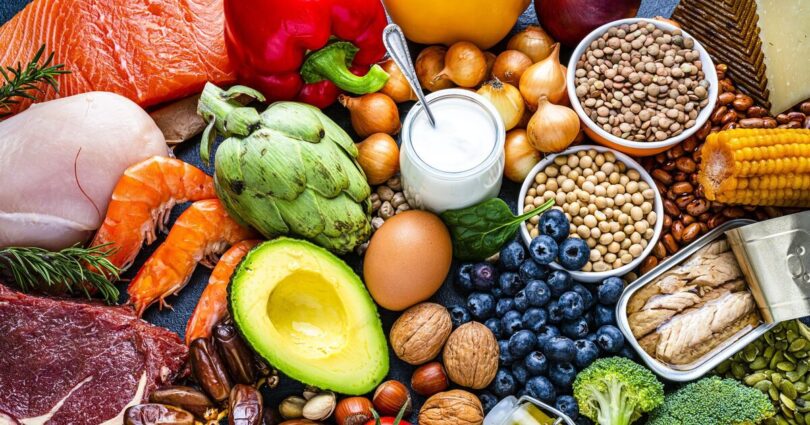
Researchers found different diets had the greatest benefits for men and women. (Image: Getty)
Eating more lentils and olive oil could help women add years to their lives, while men should drink more coffee, a major diet study suggests. Researchers analysed data from more than 100,000 Britons to identify the best diets for longevity in males and females.
Of the five diets studied, the Alternate Mediterranean Diet (AMED), inspired by traditional Mediterranean cultures, was linked to the greatest boost in life expectancy for middle-aged women. Meanwhile, the Diabetes Risk Reduction Diet (DRRD), designed to lower the risk of developing type 2 diabetes, was most beneficial for men.
Read more: Eating green leaf could ‘naturally reverse’ high blood pressure
Read more: Diet eaten by many Brits found to ‘significantly’ raise risk of dying
Both diets encourage eating less processed food and more whole foods such as fruit and vegetables, whole grains, and nuts and seeds.
They also discourage frequent consumption of red and processed meats in favour of consuming more protein from fish and plant sources.
Key differences include that the AMED focuses more on healthy fats such as olive oil and whole plant foods, while the DRRD encourages consumption of foods such as coffee that can help to lower insulin sensitivity and manage blood sugar levels.
The study, led by researchers in London and China, used data from 103,649 participants in the UK Biobank database.
It found that women aged 45 who followed the AMED most closely were expected to live for up to 2.3 years longer than those who had the lowest adherence.
Men aged 45 who followed the DRRD most closely were expected to live for up to three years longer than those with the lowest adherence.
Vegetables, fruits and whole grains are all rich in dietary fibre, flavonoids and other antioxidants, which may help to reduce inflammation, regulate metabolism and support a healthy gut, the researchers said.

The Diabetes Risk Reduction Diet encourages coffee consumption. (Image: Getty)
The food that appeared to provide the greatest benefit was fibre — people who ate the most fibre (among the top fifth of consumers) were 10% less likely to die during the 10-year study period than those who ate the least (bottom fifth).
Meanwhile, people who ate the most sugary drinks, potatoes, and sweets and desserts were 7%, 4% and 5% more likely to die, respectively, than those who ate the least.
Writing in the journal Science Advances, the researchers said: “Our findings underscore the advantages of healthy dietary patterns in prolonging life expectancy, regardless of longevity genes.”
The findings were published to coincide with the American Association for the Advancement of Science’s annual conference in Phoenix, Arizona.
What is the Alternative Mediterranean Diet?
The AMED is a modified version of the traditional Mediterranean diet developed by researchers at the Harvard School of Public Health in 2005.
It focuses on a high intake of vegetables (excluding potatoes), fruits, nuts, legumes, fish and whole grains.
Potatoes are excluded due to their high starch content and impact on blood sugar, and followers should focus on whole fruits rather than just juices to ensure a high fibre intake.
The diet encourages a high ratio of monounsaturated fat to saturated fat, which can be achieved by using more olive oil.
Followers should avoid eating too much red and processed meat, such as sausages and bacon, opting instead for more fish high in omega-3 fatty acids. The AMED also involves only moderate alcohol intake.
EAT MORE: Vegetables, fruits, legumes, whole grains, nuts and sees, fish and seafood, healthy fats.
EAT LESS: Red and processed meats, refined grains in foods such as white bread, potatoes, saturated fats, added sugars.
What is the Diabetes Risk Reduction Diet?
The DRRD focuses on consuming whole, plant-based food, fibre and healthy fats while limiting added sugars, refined carbohydrates and red meat.
It particularly focuses on foods linked to better blood sugar control such as cereal fibre found in oats, bran and whole wheat.
Followers should consume more polyunsaturated fats from sources such as flaxseeds, walnuts and sunflower seeds, while avoiding trans fats found in baked goods and fried fast foods.
The DRRD is one of the few diets that specifically encourages coffee consumption, with most studies finding that around two to four cups per day may have a protective effect.
It also encourages the prioritisation of fibre from vegetables, beans, lentils, nuts, sees and whole fruits, as fibre slows down sugar absorption and makes you feel full. Followers should avoid sugary drinks, white bread, pastries.
EAT MORE: Cereal fibre, polyunsaturated fats, nuts, coffee, vegetables, legumes.
EAT LESS: Sugary drinks, foods that can cause your blood sugar to crash, including refined grains, trans fats, red and processed meats, saturated fats.
Source link