
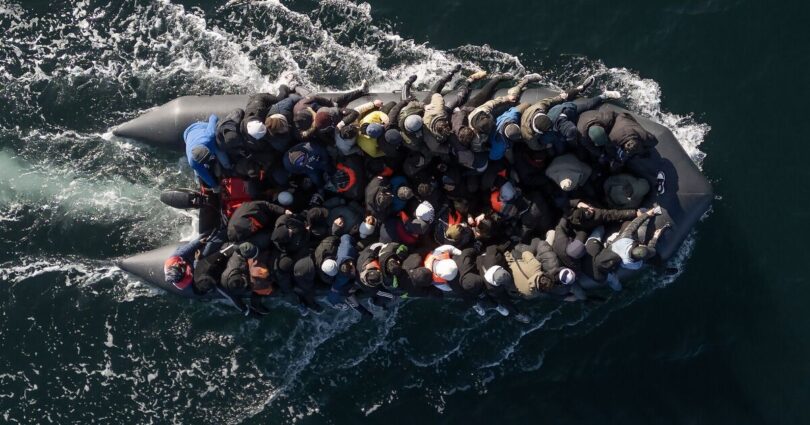
A small Mediterranean island is stepping up its approach to migration control, setting an example for the rest of the EU. Cyprus, positioned on the EU’s southeastern edge and close to the Middle East, is emerging as a key advocate of tougher rules to return migrants who enter illegally, and officials in Nicosia believe their strategy is already delivering results.
As Brussels finalises plans for a new EU-wide system to speed up deportations, Cyprus is preparing to take the lead when it assumes the rotating presidency of the Council of the European Union next year. The government argues its aggressive focus on returns has transformed migration flows and could offer a blueprint for other member states.
Cypriot officials say the island now records the highest number of migrant returns per head of population in the EU.
According to Deputy Migration Minister Nicholas Ioannides, departures are currently outpacing arrivals by roughly five to one, a sharp reversal from previous years when Cyprus topped European asylum application rates per capita.
With just 1.2 million residents and located near Syria and Lebanon, Cyprus has long been a frontline destination for people fleeing conflict. That pressure peaked in recent years, prompting the government to overhaul its migration system and place returns at its core.
“Cyprus has shown that a structured and legally grounded returns policy can work,” Ioannides said, adding that most departures are voluntary. He wants new EU legislation to give all member states similar tools to replicate the approach.
The EU’s draft returns regulation, first proposed earlier this year, would allow governments to deport failed asylum seekers more swiftly, establish processing centres outside EU borders and create so-called “return hubs” beyond Europe.
Cyprus will help steer negotiations between member states, the European Parliament and the European Commission, with talks expected to begin in the spring.
The push comes amid growing political pressure across Europe, where voter frustration over migration has fuelled support for hardline parties. EU governments have already agreed to penalise countries that refuse to take back their nationals by cutting trade benefits.
For Cyprus, the shift marks a dramatic turnaround. Migration became one of the island’s most divisive political issues after a surge in arrivals in 2022, which triggered protests and sporadic violence against migrant communities.
In April last year, the government declared a state of emergency and paused the processing of asylum claims, a move that has not formally been reversed.
President Nikos Christodoulides has said the changes were deliberate, Politico reports. “Cyprus is no longer seen as an easy destination,” he said recently, stressing that returns must go hand in hand with cooperation with countries of origin to address the causes of migration.
One flagship measure introduced last summer offered incentives for Syrian families to return voluntarily, including cash payments and limited work permits for one household member if the rest of the family left Cyprus and withdrew asylum claims. Officials say more than 10,000 people were returned in 2024, with numbers expected to rise again this year.
However, the island’s tough stance has drawn criticism. Human rights groups and lawyers accuse the authorities of breaching international law, pointing to court rulings over illegal pushbacks and claims of forced returns. Critics also argue that strict welfare rules and long bans on employment effectively pressure asylum seekers to leave.
Despite the controversy, Cyprus is firmly backing the EU’s tougher direction. Officials have championed offshore return centres and increased funding for neighbouring countries such as Lebanon to stem migration flows.
“These ideas are no longer theoretical,” Ioannides said. “They are becoming operational — and Cyprus is ready to show how they can work.”
Source link