
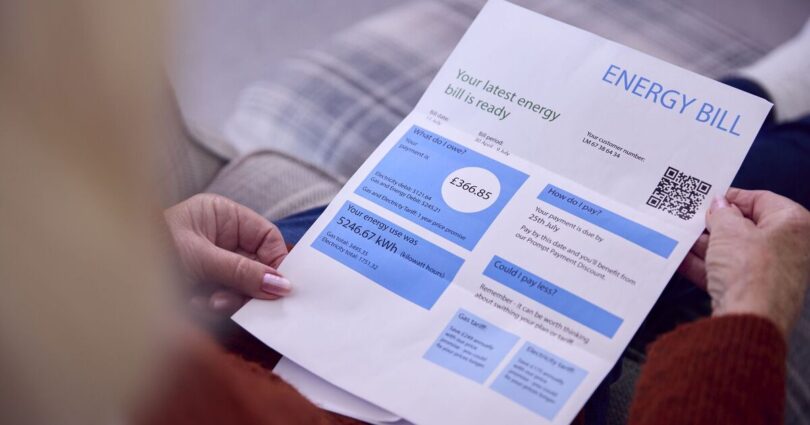
Around 500,000 households could see their energy bills sharply increase as rising global prices linked to the conflict in the Middle East, it is feared. Homes connected to heat networks, which provide heating and hot water from a central source to multiple properties, are viewed as particularly at risk because they are not covered by the domestic energy price cap set by Ofgem.
Unlike standard gas and electricity customers, those on heat networks cannot switch suppliers if prices rise. The amount they pay can also vary significantly depending on how energy is purchased, with some providers tied to more expensive commercial contracts.
Pressure on prices has intensified as disruption to global supply pushes up the cost of gas and oil. Transport through the Strait of Hormuz has been restricted, while damage to major gas infrastructure has reduced supply. Most UK households are protected in the short term by the price cap, but heat network customers face more immediate exposure.
Providers typically buy energy in bulk through contracts that can be renewed at different points in the year, allowing higher costs to be passed on more quickly.
Figures from Heat Trust show that households on these systems usually pay around 10 to 15p per kWh for gas. During the last energy crisis, some saw prices rise above 5p per kWh, leading to dramatic increases in bills.
The London Assembly Environment Committee has warned that a similar situation could unfold again and is calling for urgent action from the Government.
Leonie Cooper, Chair of the committee, told The Sun rising global energy costs are likely to feed through to households. She said it is only fair that those on heat networks receive support equivalent to other consumers who benefit from the price cap.
Campaigners argue that linking support to the cap, which is due to fall to £1,641 a year from April, would help shield households from sudden increases.
Heat networks only came under formal regulation earlier this year after previous price spikes left some households facing increases of up to 450%. New rules mean Ofgem can step in where pricing is deemed unfair, and customers can seek redress through the Energy Ombudsman if services fail.
However, the system is still being introduced, leaving many customers exposed in the meantime.
An Ofgem spokesperson said the regulator is working with providers to assess the impact on consumers and stressed that companies are expected to treat customers fairly.
Households concerned about rising costs are being advised to contact their supplier as early as possible, as support such as payment plans may be available.
Source link