
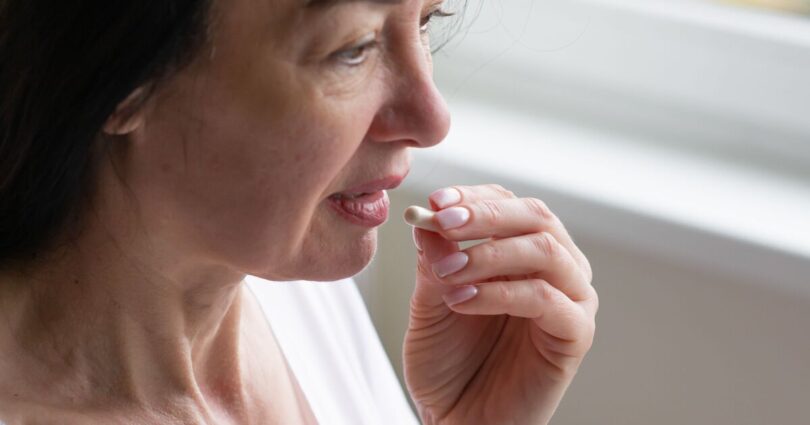
A doctor warned against (Image: Getty)
A doctor has issued a warning about a common supplement that could potentially damage your wellbeing. The expert cautioned that taking too much of this common vitamin could actually make your bones more fragile.
Many people rely on dietary supplements to achieve their daily vitamin and mineral intake. While a nutritious, balanced diet should supply all the nutrients your body requires, supplements can sometimes be needed to bridge nutritional shortfalls.
This is especially true for vitamin D, which our bodies manufacture when we’re in sunlight. As a result, the NHS recommends taking it as a supplement throughout autumn and winter when sunshine hours are reduced.
This vital vitamin regulates calcium and phosphate concentrations in the body, both essential for keeping bones, teeth and muscles healthy.
A shortage can lead to bone malformations such as rickets in youngsters, and skeletal discomfort from osteomalacia in adults.
However, like all supplements, there are crucial cautions to bear in mind. In a video posted on TikTok, Doctor Suraj Kukadia warned against the “overuse” of vitamin D supplements.
This could actually result in damage to your bones. “This is a really important warning about the overuse of vitamin D supplements,” he said.
“So vitamin D, because it causes the reabsorption of calcium, if you take too much vitamin D, you can get hypercalcemia. Now this means really high calcium levels in the blood, which is bad.
“So this is bad because it can cause a paradoxical weakening of bones. It can also cause damage to your heart and kidneys.”
He said unless you’ve been given “explicit instructions” from a doctor or medical practitioner who knows your case you should follow the NHS guidelines on how much vitamin D to take.
Read more: Doctor says keep a glass of water by your bed
Read more: Dr Amir Khan warns stop a common habit before you go to bed
NHS advice
Dr Kukadia’s warning is backed by advice from the NHS. On its website, the health authority explains: « Taking too many vitamin D supplements over a long period of time can cause too much calcium to build up in the body (hypercalcaemia). This can weaken the bones and damage the kidneys and the heart. »
The recommended daily dose of vitamin D is 10 micrograms (mcg) – or 40 IU. Consuming more than 100mcg daily could prove « harmful ».
The NHS continues: « If you choose to take vitamin D supplements, 10 micrograms a day will be enough for most people. Do not take more than 100 micrograms (4,000 IU) of vitamin D a day as it could be harmful.
« This applies to adults, including pregnant and breastfeeding women and the elderly, and children aged 11 to 17 years. » Children between one and 10 years shouldn’t go beyond 50 micrograms (2,000 IU) daily.
Infants under 12 months shouldn’t receive more than 25 micrograms (1,000 IU) per day. Beyond this, certain people have medical conditions which mean they might not safely manage such quantities.
« If in doubt, you should consult your doctor, » the NHS advises. « If your doctor has recommended you take a different amount of vitamin D, you should follow their advice. »
It’s not possible to overdose on vitamin D through sun exposure. Nevertheless, you should always protect or cover your skin during extended periods outside to reduce the risk of skin damage and skin cancer.
Various foods are also a source of vitamin D. These include:
- Oily fish – such as salmon, sardines, trout, herring or mackerel
- Red meat
- Egg yolks
- Fortified foods – including certain fat spreads and breakfast cereals
- Liver (avoid liver if you’re pregnant – find out about foods to avoid in pregnancy)
For more information, visit the NHS website here.
Source link