
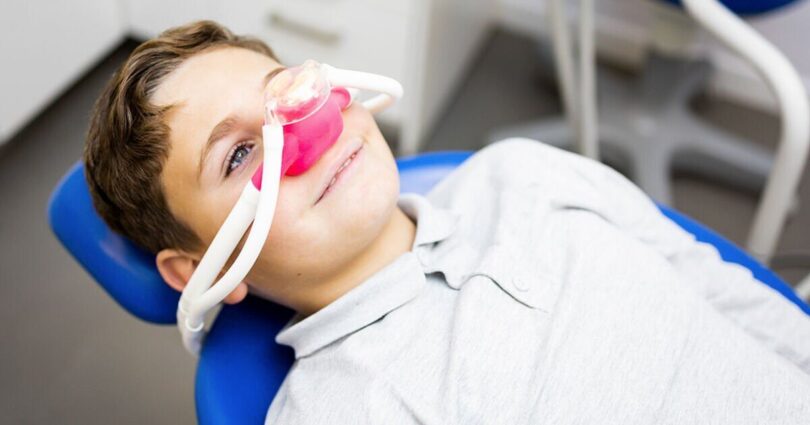
Nitrous oxide can help ease dental anxiety (Image: Getty)
Dentists are using too much laughing gas, with huge variation in dose and flow rate during sedation, a study has found. Nitrous oxide (N₂O) is used to ease anxiety and help patients relax during procedures such as fillings, crowns and root canals. Researchers at UCL reviewed almost 900 episodes — 83% of which involved children aged 15 and under — at 31 UK dental services.
Their analysis found that the concentration of N₂O ranged from 10%-70%, with an average of 35%, and the flow rate ranged from one to 13 litres per minute. Professor Paul Ashley, an expert in paediatric dentistry at UCL Eastman Dental Institute, said the findings suggested “many patients may be receiving more gas than they actually need”.
He added: “Our analysis showed wide variation in how nitrous oxide is delivered, with flow rates ranging from one to 13 litres per minute and no clear link to patient age.
« Using higher flow rates doesn’t improve the patient experience or treatment outcomes, but it does increase nitrous oxide use and its environmental impact, so there’s a clear opportunity to deliver care that’s just as effective while being more considered and patient-centred. »
Of the 31 dental services included in the research, 30 were NHS and one was private.
The amounts of laughing gas measured in the study remained safe and effective, with 92% of procedures completed successfully. There was no suggestion the variation in measures posed a risk to patients.
However, the team warned that it is a potent greenhouse gas and unnecessary wastage has a significant environmental impact.
The average sedation generates a carbon footprint equivalent to a 72.8-mile journey in a petrol car, the study found.
Nineteen out of the 31 services also reported using inhaled sedation during acclimatisation procedures — simple procedures such as polishing to desensitise patients.
But the research found that acclimatisation did not appear to increase the overall success rates for services.
The team’s paper, published in the British Dental Journal, noted that use of N₂O has a high success rate and is the only standard sedation technique available for children.
They therefore supported continued use but called for action to reduce waste, minimise flow rates, and update guidelines to take into account the environmental impact of the gas.
First author Alexandra Lyne, also from UCL, said: “Nitrous oxide has an important role to play in dental care, particularly for children and young people, but it is also a powerful greenhouse gas.
“Our study shows that its environmental impact varies widely between services, largely due to differences in how it is supplied and administered.
“Our recommendations include monitoring use, reducing unnecessary wastage and standardising practice where possible. By doing this, dental services can reduce emissions while maintaining patient care.”
Natalie Bradley, a British Dental Association board member and consultant in special care dentistry, said research was ongoing into possible alternatives to N2O in dentistry.
She added: « For now, there are certain patient groups for which suitable alternatives are not available or not practical. Without this means of sedation, more paediatric patients would then only be able to access dental care through general anaesthesia. This would increase the recovery time and anaesthetic gases contribute significantly more to the carbon footprint.
“Sedation training standards in dentistry also emphasise the least invasive sedation technique for the minimal amount of time and the high success rates for treatment quoted in this study demonstrate not only effective dental care but mean that repeated visits for failed treatments are not necessary, and we know the biggest contributor to carbon footprint in dentistry is patient and staff travel. »
Source link