
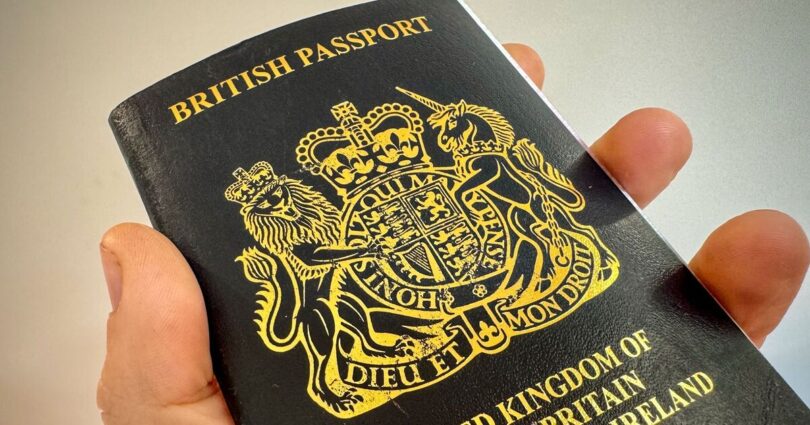
HM Passport Office has confirmed plans to hike passport application fees from April 8 (Image: Getty)
Brits going on holiday will be hit with a new £115 charge from April following a change to passport application fees.
HM Passport Office has confirmed plans to hike the cost of applying for a new passport from April 8, which will see the standard postal application fee rise by £8.50. Postal application fees are rising from £107 to £115.50 for adults, while costs for children will go up from £61.50 to £66.50 – an increase of £6. To help save on costs, Brits can opt to apply for a new passport online at a slightly cheaper rate, but the online fee is also rising from April 8.
The standard online fee for adult passport applications is going up from £94.50 to £102, an increase of £7.50, while for children, fees are rising from £61.50 to £66.50, an increase of £5.
Read More: 6 DWP and HMRC benefits and handouts staying frozen from April
Read More: State pensioners handed £86 weekly extra with one condition from April
The cost for using the One Day Premium Service for new passports, which is available if you need to get it renewed quickly, is also going up in April by a whopping £17.50, taking costs from £222 to £239.50.
Additionally, overseas applications for a UK passport are also going up from April 8, with standard online applications for adults rising from £108 to £116.50 (an £8.50 increase), and from £70 to £75.50 for children (a £5.50 increase).
Adults who apply from overseas via paper application will pay £130, up from the current rate of £120.50, while costs for children will be £89, up from £82.50.
British nationals born on or before September 2, 1929, are entitled to get or renew a British passport for free and can also use the Post Office Check and Send service free of charge, which includes free secure delivery.
Brits are advised to apply for a new passport “in good time” before travelling and will generally get their travel document within three weeks. According to HM Passport Office, 99.7% of standard applications from the UK were processed within three weeks in 2025, where no further information was required.
The new fees contribute to the cost of processing passport applications, consular support overseas, including for lost or stolen passports, and the cost of processing British citizens at UK borders, according to the Home Office.
The passport price hikes will go ahead on April 8 if approved by Parliament, but Prime Minister Sir Keir Starmer has been urged not to allow inflation-busting price rises to go ahead.
The SNP said Labour’s price increase would see a family of four charged up to £391 to purchase two adult and two children’s passports – the equivalent of around a whole week’s wages for someone on the minimum wage.
The SNP has warned the prices mustn’t be allowed to go ahead at a time when the cost of living is already growing and has said it would vote against the proposals.
Mr Wishart, the party’s MP for Perth and Kinross-shire, said: “The Labour Party must not hammer families with another massive, inflation-busting hike in passport fees when the cost of living is already soaring on Keir Starmer’s watch.
“Under the Labour Government, energy bills are £500 higher than promised, food and fuel prices have gone through the roof, mortgage rates are rising again, UK unemployment is at a five-year high and hard-pressed families are already struggling to get by.
“Keir Starmer is completely out of touch if he thinks households want him to press ahead with more tone-deaf Labour Party price hikes, which will increase the cost of a family holiday and make it more expensive for Scotland fans to travel to the World Cup this summer. The SNP will vote against this unacceptable price hike.”
A Home Office spokesperson said: “The Government does not make any profit from the cost of passport applications.
“The fee for a standard online application made within the UK will rise to £102, while the fee for postal applications will rise by the same increase, which remains around 8%.
“The new fees will help the Home Office to continue to move towards a system that meets its costs through those who use it, reducing reliance on funding from general taxation.”
Source link