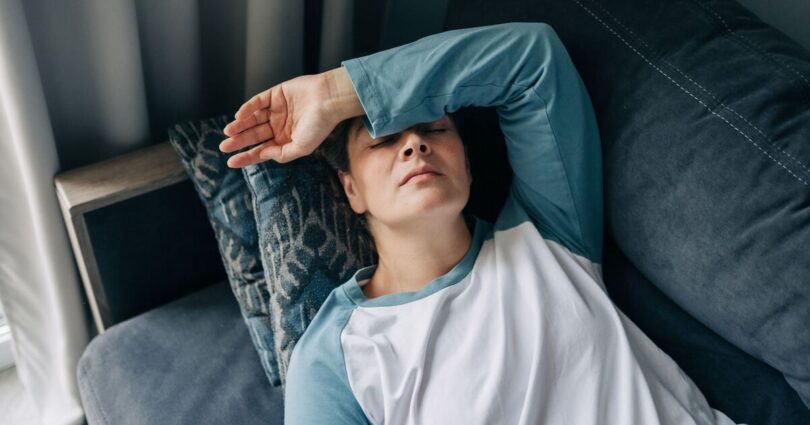
Stay at home and get plenty of rest (Image: Getty)
The UK Health Security Agency (UKHSA) has issued a ‘stay at home’ health warning this morning (February 3) via social media, urging people experiencing six specific symptoms to avoid going out while feeling unwell.
The guidance comes as the latest figures show norovirus cases are climbing across the country as of late January 2026, with levels notably high for this time of year.
Laboratory reports for the fortnight between January 12-25, 2026, revealed norovirus cases were 73.8% above the five-season average for that period, and 18.3% higher than the previous two-week spell.
Currently, the highest infection rates are being seen in those aged 65 and over, as well as children under five. The GII.4 strain has recently become the dominant variant of the virus.
In today’s latest update from the UKHSA, people across the UK have been told to stay indoors until 48 hours after their symptoms have cleared. The three main signs of the virus are vomiting, nausea and diarrhoea, reports Chronicle Live.
Those affected may also experience a high temperature, headaches and aching arms and legs.
« Diarrhoea and vomiting is unpleasant for everyone », the health body said. « If you come down with a case, here is what you can do to reduce the spread. »
Individuals are also urged to wash their hands thoroughly with soap and warm water, and to launder any contaminated clothing and bedding at 60°C.
Those experiencing symptoms should avoid workplaces, schools, hospitals and care homes.
They should also avoid preparing food for others. The NHS advises: « Diarrhoea and vomiting can usually be treated at home. The most important thing is to have lots of fluids to avoid dehydration. »

« Diarrhoea and vomiting is unpleasant for everyone » (Image: Getty)
For both adults and children, diarrhoea usually clears up within five to seven days, while vomiting typically stops within one to two days. Avoid going out until at least two days after your last bout of sickness or diarrhoea.
The NHS adds: « If you have a high temperature or do not feel well enough to do your normal activities, try to stay at home and avoid contact with other people until you feel better. »
Steer clear of fruit juice or fizzy drinks as they can worsen diarrhoea.
In addition to handwashing and washing clothes and bedding, it’s crucial to clean toilet seats, flush handles, taps, surfaces, and door handles daily to prevent the spread of the infection. Those affected shouldn’t share towels, flannels, cutlery or utensils, and must stay out of swimming pools for at least 48 hours after symptoms have cleared.
Norovirus: How to clean up after someone who vomits
The most common culprits behind diarrhoea and vomiting are a stomach bug and food poisoning. The UKHSA further warns: « Norovirus infections can cause dehydration, especially in vulnerable groups such as young children and older or immunocompromised people, so if you do get ill it is important to drink plenty of fluids during that time. »
Amy Douglas, Lead Epidemiologist at UKHSA, stated: « We have seen a notable increase in norovirus cases in recent weeks among those aged 65 years and over, with more hospital outbreaks also being reported. While this is still within expected levels, there are simple steps that people can take to reduce the spread of norovirus and ensure levels don’t rise further.
« Washing your hands with soap and warm water and using bleach-based products to clean surfaces will also help stop infections from spreading. Alcohol gels do not kill norovirus, so don’t rely on these alone.
« If you have diarrhoea and vomiting, don’t return to work, school or nursery until 48 hours after your symptoms have stopped and don’t prepare food for others in that time either. If you are unwell, avoid visiting people in hospitals and care homes to prevent passing on the infection to those most vulnerable. »
The UK Health Security Agency (UKHSA) mainly operates in England, but it also has some important responsibilities that cover the whole UK. Since health policy is mostly managed separately in the UK, the agency mainly focuses on England. Meanwhile, other public health organisations like Public Health Scotland and Public Health Wales take care of health protection in their respective countries.
Source link