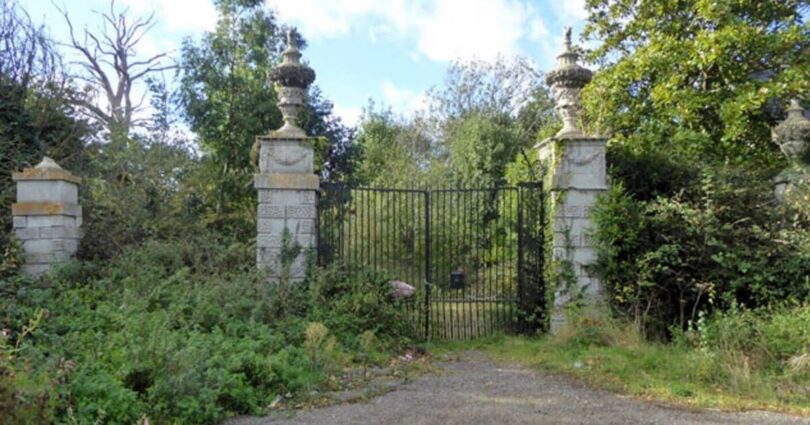
Stanwell Place has an extraordinary history (Image: Robin Webster)
London has an abundance of Royal residences, both historic and modern. From Kensington Palace and Buckingham Palace to historic sites such as Hampton Court Palace, these magnificent buildings draw locals and visitors alike who gather to admire their grandeur, take photographs, and take in their extensive history.
Nevertheless, there’s a less prominent royal property that was once occupied by a monarch: Stanwell Place. Located in the village of Stanwell within the borough of Spelthorne, Middlesex, this 17th-century manor house possesses a fascinating history that deserves attention. Positioned just half a mile west of St Mary’s Church, the most recent building on this site is documented to have been built in the early 1800s by the Gibbons family.
Read more: Iconic British food to disappear from UK supermarkets forever
Read more: Pretty village with no street lighting and England’s tiniest listed building
The property comprised a manor house, tenant farms, and associated lands.
In the early 20th century, sections of the estate were sold and converted into a reservoir and a series of local smallholdings.
The surrounding parkland is believed to have been designed in the 18th century. In 1933, Stanwell Place was purchased by Sir John Gibson, a civil engineer who was knighted in 1945 for his service during World War II.
Gibson was involved in work on the Queen Mary Reservoir at Littleton when he moved to Stanwell. During World War II, Gibson served as deputy director and general civil engineer at the Ministry of Supply from 1943-1944. He was instrumental in developing the top-secret Mulberry Harbours operation.

King Faisal II resided in Stanwell Place (Image: Getty)
As a result, he offered Stanwell Place to the Supreme Headquarters Allied Expeditionary Force (SHAEF) Commanders. The property became the setting for two vital meetings ahead of D-Day and the Normandy landings.
Stanwell Place welcomed numerous distinguished figures during these gatherings, including prospective war heroes and senior US military commanders. In 1936, Gibson’s 346-acre estate was purchased by the Metropolitan Water Board.
A considerable portion of the surrounding land was transformed to build the King George VI reservoir.
Following Gibson’s death in 1947, his sons retained 17 acres of Stanhope farm. The Sir John Gibson pub, alternatively known as the Happy Landing, was christened in his honour.
After Gibson’s passing, King Faisal II of Iraq acquired 22 acres of Stanwell Place. At the time, Faisal, a young Iraqi monarch, was just 13 years old and about to begin his education at Harrow School.
The Iraqi King treasured his visits to England, with certain local residents still cherishing warm recollections of Faisal and his relatives.
Faisal met a tragic end in a coup in Iraq in 1958, ushering in a bleak era in the country’s history.
After the assassination of King Faisal in 1958, Stanwell Place and its adjoining lands were abandoned and later purchased for gravel extraction in the 1960s. The property’s illustrious past, from its involvement in the Second World War to its tenure as a home for Iraqi royalty, will forever remain imprinted in memory, never to fade away.
Source link