
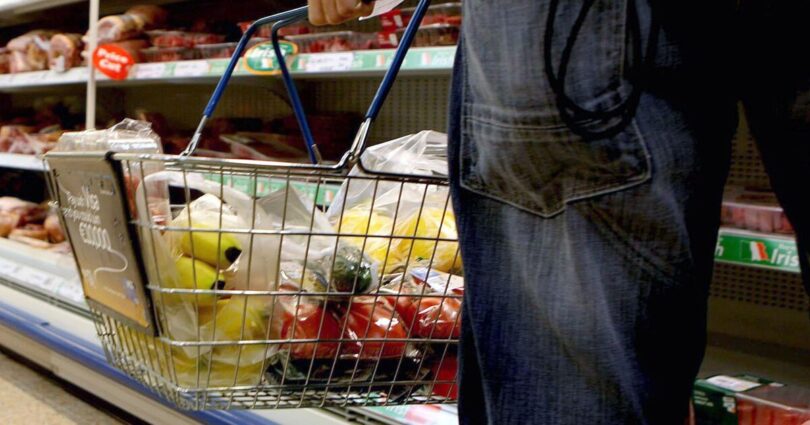
Shoppers face a massive increase in food and drink prices at the checkout because of the Iran war. The Food and Drink Federation, which represents 12,000 manufacturers, warned that food inflation is set to soar above 9%.
Everyday goods will cost more to produce because of increases in the cost of oil and gas, said the trade body. This means higher prices for fertiliser, diesel used in farm equipment and energy to heat greenhouses. Dr Liliana Danila, the group’s chief economist, said: “The food and drink sector is already feeling the force of this geopolitical shock.
« As one of the UK’s energy-intensive industries, manufacturers are facing mounting energy bills, rising transport and packaging costs and disruption across key supply chains. These pressures are hitting simultaneously, and are a significant challenge for businesses to absorb.”
She added: “The current situation is unprecedented and hard to predict, however given the scale and speed of these cost increases, and despite companies’ best efforts not to pass price increases on, it’s clear that food inflation is going to rise in the months ahead.”
It suggests cost-of-living pressures are unlikely to come to an end any time soon, with households set to face higher food costs at the same time as domestic energy bills and petrol forecourt prices rise.
Inflation has remained stubbornly high at 3.2% according to the latest figures, while the Government’s target is 2%. The current rate of food inflation, which contributes to the overall rate, is 3.3%.
The Bank of England has suggested it could increase interest rates unless inflation falls, leading some lenders to push up the cost of borrowing for a mortgage.
In a new report, the Bank warned that millions of homeowners are facing an increase in payments. It said average rates for two-year fixed-rate mortgages have increased by around 0.8 percentage points,while five-year fixed-rate mortgages have seen a roughly 0.7 percentage point rise.
Current rates indicate that about 5.2million UK mortgage holders could face an increase in their repayments by the final quarter of 2028.
The Bank also reported that the total number of mortgage products available in the UK had fallen from 8,500 to 7,000.
Prime Minister Sir Keir Starmer has warned that the economic impact of the crisis could continue for months after the fighting ends. Chancellor Rachel Reeves is to meet supermarket bosses and regulators to discuss the impact on consumers.
Source link