
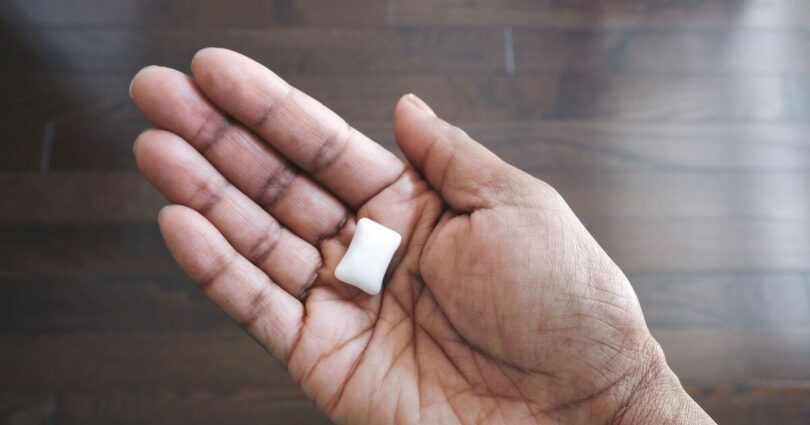
Millions have been advised to chew gum before bed (Image: Getty)
Spring brings blooming flowers, longer days and milder temperatures, but for millions of people it also signals the start of hay fever season. With the season already underway, households are being urged to start taking steps now to reduce pollen exposure and protect their sleep. Hay fever affects nearly 10million people in England across all age groups.
That’s nearly one in four adults and one in 10 children, and, according to the Met Office, the number of sufferers is rising year after year. Hay fever symptoms often peak between late March and September, particularly during warm, humid, or windy days when pollen counts soar, according to the NHS. Dr Tim Mercer, NHS GP Partner and GP Trainer with Opera Beds, has shared his expert and lesser known tips for combating hayfever during the peak season.
READ MORE: Hay fever sufferers swear by £12 Amazon gel for dry, irritated eyes
READ MORE: Optician says hay allergy sufferers should never keep specific item at home

The GP recommended chewing gum before bed (Image: Getty)
Dr Tim Mercer said: “Allergy season is back, and for many, that means disrupted sleep, itchy eyes, and endless sneezing. But why do allergies hit so hard, especially at night?
« The most common hay fever trigger is grass pollen, however, there are as many as 30 different pollens that can be spread by wind and insects. When we breathe in allergens like pollen or dust mites, our immune system overreacts, releasing histamine.
“This triggers symptoms like congestion, sneezing, and watery eyes. Histamine levels naturally peak at night, making symptoms worse just when we’re trying to sleep. Pollen also clings to clothes, hair, and bedding, creating an invisible storm of irritation. »
Dr Mercer shared six tips for easing hay fever symptoms and one of the more unusual suggestions is to chew gum before bed. While it may sound surprising, the simple act of chewing can help clear nasal passages, he said.
He explained: “Chewing gum before bed may help clear nasal passages and reduce congestion by promoting saliva production and swallowing, which can help flush out allergens.”
Here are some other of Dr Mercer’s tips for easing hay fever symptoms
Other pieces of advice include:
Allergy-proof your home
Regular vacuuming and washing bedding at high temperatures will help remove pollen and dust mites that can trigger symptoms.
Dr Mercer said: “To sleep better during allergy season, now is the time to begin to ‘allergy proof’ your home. A few simple changes like vacuuming more regularly and washing bedding at 60C can limit exposure to pollen and dust mites. »
Shower before bed
Washing off pollen from your hair and skin by showering before bed will prevent it from transferring to pillows and sheets and therefore reduce night time irritation.
The expert said:“You can also shower before bed to wash off pollen, stopping it from transferring to your pillow and try to keep windows closed even when it’s warm, as open windows let pollen straight in. »
Keep windows shut during the daytime and avoid going outdoors during peak hours
Closing windows on warm days stops pollen from entering your home, while avoiding outdoor activities in the early evening, when pollen levels are typically highest, can help reduce hay fever symptoms and improve sleep, Dr Mercer said.
Acupressure mats
Lying on an acupressure mat may help reduce stress, improve circulation, and relax the body, which can support better sleep and potentially ease mild allergy-related tension or headaches, the specialist suggested.
Aromatherapy
Certain essential oils like peppermint or eucalyptus can help open nasal passages and improve breathing, Dr Mercer added. He also suggested diffusing these oils in your bedroom or adding a few drops to a warm bath may ease congestion.
Silk pillowcases
The GP said: “Silk pillowcases can help prevent allergens like dust mites from accumulating, as they are less likely to attract and hold onto allergens than cotton. Opting for silk bedding has been shown to have other benefits too, including hair protection and helping retain skin moisture.”
Swap your evening glass of wine for green tea
Dr Mercer said: “Green tea has natural antihistamines, while alcohol can worsen symptoms by increasing histamine levels.
« Green tea, particularly the ‘benifuuki’ cultivar variety, has natural antihistamine and anti-inflammatory properties that may help relieve hay fever symptoms such as sneezing and watery eyes.”
Source link