
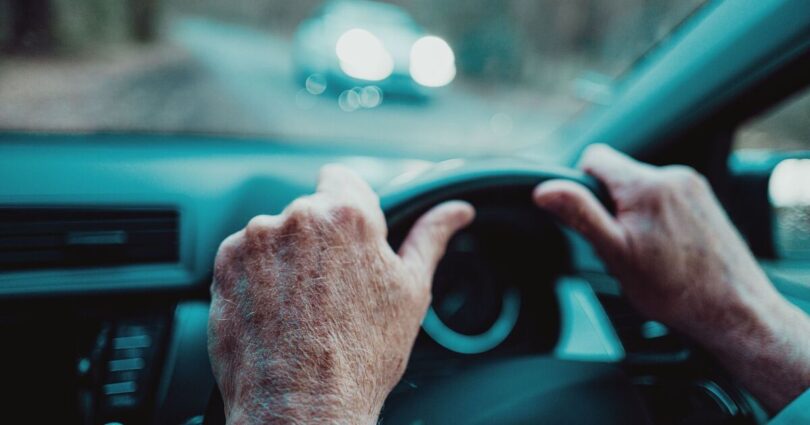
Nearly 33k driving licences have been revoked due to a major safety concern since 2022 (Image: Getty)
Tens of thousands of driving licences have been revoked or refused across Great Britain after motorists failed to meet the legal eyesight standard, according to new Freedom of Information data. Between 2022 and 2025, 32,944 drivers lost or had their licences refused after failing to meet the required eyesight standard, data obtained by Marshall Motor Group, one of the UK’s largest motor retailers, revealed.
A further 4,177 bus and lorry drivers holding Group 2 licences also had their entitlement revoked or refused over the same period for the same reason, bringing the combined total across all licence categories to 37,121. The figures showed that eyesight-related licence loss spans all adult age groups, underlining that maintaining good vision is relevant for drivers at every stage of life.
Over the past four years, eyesight-related license losses have remained consistently high, reaching a significant peak of 9,479 in 2022. This was followed by a decrease to 7,362 in 2023, a subsequent rise to 8,258 in 2024, and another small dip to 7,845 in 2025.
READ MORE: DWP can take away driving licences from people on 3 benefits – full list
READ MORE: Over-70s ‘will have no ID’ concern after drivers licences removed after new law

Eyesight-related license losses hit 7,845 last year, with the highest concentration among drivers aged 70-79 (Image: Getty)
A closer look at the data revealed that eyesight-related licence loss is a universal issue, affecting drivers across every age bracket between 2022 and 2025.
During this period, 1,468 drivers under 25 lost their licences due to vision issues, while drivers aged 25–39 accounted for 2,273 refusals or revocations.
A total of 2,785 licences were lost among drivers aged 40–54, but the figures rose significantly in the 55–69 bracket, reaching 6,361 drivers.
The highest concentration of licence loss occurred among drivers aged 70–79, totalling 10,794, followed by drivers aged 80–89, who saw 8,060 revocations, while drivers aged 90 and over accounted for 1,202.
As expected, the highest numbers are seen in older age groups, reflecting the natural impact of age-related vision changes.
However, more than 6,500 drivers under the age of 55 also lost their licences during this period, highlighting that eyesight deterioration is not a concern exclusive to later life, but affects road safety across all generations.

If a driver fails the roadside eye tests, officers can notify the DVLA directly for a licence review (Image: Getty)
Roadside eyesight test failures have increased by almost 180% during the four years of the study, rising from 256 in 2022 to 715 in 2025.
The sharp recent rise suggests roadside eyesight checks are now playing a crucial role in identifying drivers who no longer meet the legal standard.
Under UK law, motorists must be able to read a standard vehicle number plate from 66 feet (20m) away, which is roughly the distance of five parked cars, wearing glasses or contact lenses if they normally use them.
Police have the authority to carry out immediate roadside eyesight tests if they are concerned about a driver’s vision.
Where a motorist fails to meet the legal number plate requirement, officers can notify the DVLA directly and begin the licence review process.
Drivers who fail the test no longer meet the legal eyesight standard required to drive.

Drivers must also meet minimum clinical eyesight standards measured by an optician (Image: Getty)
Meeting the Legal Eyesight Standard
Beyond the number plate check, drivers must also meet minimum clinical eyesight standards measured by an optician, including visual acuity and an adequate field of vision.
For lorry and bus drivers, the requirements are stricter, with higher visual acuity standards and a wider field of vision needed to operate larger vehicles safely.
If a driver fails to meet the required standard, the DVLA can revoke their licence.
Drivers may be able to regain their entitlement if they can demonstrate that their eyesight now meets the legal threshold, typically by providing medical evidence following a professional eye examination.
Although regular professional eye tests are the safest option for drivers to ensure their vision meets legal requirements, Ben Welham, motoring expert at Marshall Motor Group, said motorists can look out for early warning signs themselves.
“Eyesight deterioration usually happens gradually, so drivers might not notice small changes over time. The data shows this isn’t limited to one age group, so maintaining good vision is relevant at every stage of life, » he said. “Regular professional eye tests remain the safest way to make sure you meet the legal standard and can continue driving confidently. Drivers should be able to clearly read a standard number plate from 20 metres away.
“If road signs don’t look as sharp as they used to, headlights feel more dazzling at night, or you find yourself squinting more often, those can all be signs it’s time to book an eye test.”
Source link