
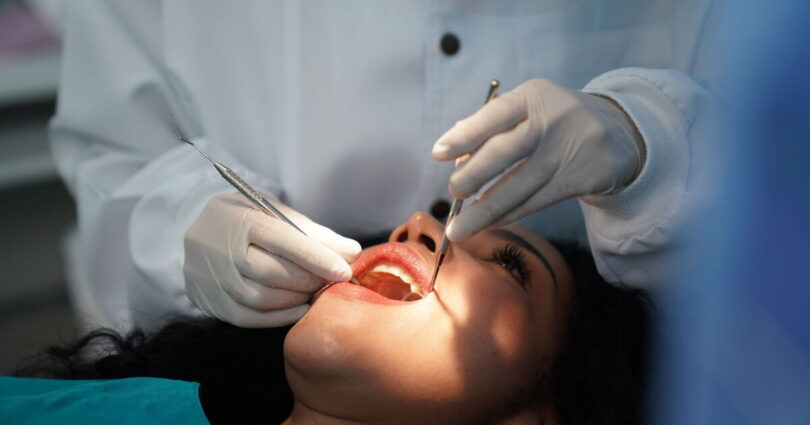
A dentist has highlighted potential warning signs of oral cancer that people may overlook, including symptoms that could appear without even opening the mouth.
Oral cancer, sometimes referred to as mouth cancer, may affect areas including the tongue, gums, cheeks and lips. While some signs can be visible during a dental examination, others may present more subtly. Dr Deepa Chopra, dentist at Whites Dental, said awareness of early changes could be important. “Some symptoms may develop gradually and can be mistaken for minor issues,” said Dr Chopra. “Persistent changes that do not resolve within a few weeks may benefit from professional assessment.” Signs that may be visible inside the mouth could include ulcers that do not heal, unexplained bleeding, red or red and white patches, unusual lumps, or teeth that feel loose without obvious cause. However, Dr Chopra explained that not all potential warning signs are located directly inside the mouth.
“A long lasting sore throat, difficulty swallowing, discomfort when chewing, or persistent ear pain could sometimes be associated with changes in the oral or surrounding tissues,” she said. “Numbness in the lip or jaw area may also warrant further investigation.”
She added that speech changes could occasionally be a sign of concern. “If someone notices ongoing hoarseness, slurred speech or a change in their voice that does not improve, it may be advisable to seek medical or dental advice,” she said.
Dr Chopra stressed that many of these symptoms may be linked to far more common and less serious conditions. “For example, bleeding gums are often associated with gum inflammation rather than cancer,” she explained. “But if symptoms are unusual, persistent or worsening, it may be sensible to have them checked.”
Certain lifestyle factors may increase risk, including tobacco use, high alcohol intake and excessive sun exposure to the lips.
“Regular dental examinations may help identify changes early, sometimes before a patient is aware of them,” Dr Chopra said. “Being familiar with what feels normal for you and seeking advice if something changes could support earlier detection.”
She emphasised that awareness does not mean alarm. “Most oral changes are not cancer,” she said. “But paying attention to ongoing symptoms and maintaining routine dental visits may be an important part of overall health.”
Source link