An Ohio federal judge on Monday said she’s obligated to « avoid absurdity » and ruled that Kalshi’s prediction markets in sports amount to acts of gambling — which should come under state regulations.
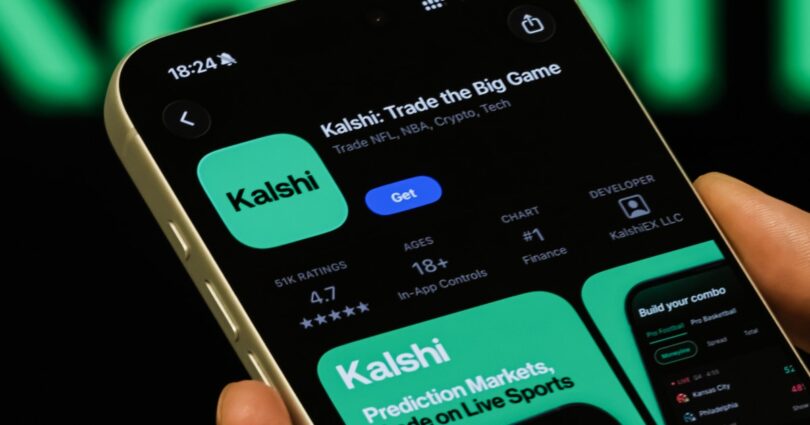
Kalshi, a New York-based predictive market where users can put money down to receive payouts on everything from athletics to politics and world events, had asked the court for an injunction against the Ohio Casino Control Commission. The regulatory body wants to stop Kalshi from operating as an « unlicensed sportsbook » that is « facilitating bookmaking » in the Buckeye State.
Kalshi said its sports offerings should be treated as federally regulated swaps, a type of contract often found in financial investing. U.S. District Court Judge Sarah Morrison disagreed.
Swaps are « understood as a transaction involving financial instruments and measures that traditionally and directly affect commodity prices, » she wrote.
« Currency exchange rates, the weather and energy costs all do that: the number of points cored in the Huskies-Bobcats game does not, » Morrison added.
« This conclusion is further supported by the Court’s obligation to avoid absurdity, » the judge continued. « Ohio argues that absurd results would flow from defining a ‘swap’ to include a sports-event contract. The Court agrees. »
Ohio Attorney General Dave Yost celebrated the ruling Tuesday.
« Kalshi argued the federal Commodity Exchange Act preempts enforcement of Ohio law. Nope, » he said in a post on X. « These ‘prediction markets’ have exploded and look an awful a lot like gambling. Big win for Ohio! »
A representative for Kalshi did not immediately respond to a request for comment.
Sports gambling is legal in 39 states and the District of Columbia. Wagers can be placed digitally in 32 of those jurisdictions.
Sports betting companies, such as FanDuel and DraftKings, have had to negotiate their way into those states, meeting regulatory standards and paying taxes to operate there.
But prediction markets, such as Kalshi and Polymarket, have — for now, with some backing from the Trump administartion — found a way around those state guidelines by claiming they work as commodity futures.
Several states, most notably Nevada and Massachusetts, have been fighting prediction markets from entering their backyards, claiming that sports betting has always been the purview of state government.
Before the U.S. Supreme Court paved the way for legalized sports gambling in 2018, Nevada had been the nation’s lone state with legal sports betting.
Source link