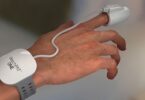

Experts have identified a potential dementia warning sign that could appear in the hands. The Alzheimer’s Society indicates these symptoms might suggest the advanced phases of the disease, signalling that someone needs extra support.
Dementia is a prevalent syndrome, affecting roughly 900,000 people in the UK. More frequently seen in those aged over 65, its early warning signs can often be mistaken for normal ageing symptoms.
The Alzheimer’s Society warned that behavioural alterations could indicate dementia in its later phases. « People in the later stages of dementia may behave out of character, » it states.
« These behaviours can be difficult to understand and often have different causes. »
This could manifest as a sign in the hands. « Constant » wringing of the hands could indicate restlessness, a condition that people with dementia can develop.
They might also fidget and pull at their clothing as a result. The charity observed: « Many people with dementia become restless and may fidget or pace up and down.
« They may constantly wring their hands, pull at their clothes or touch themselves inappropriately in public. This could be because of pain or discomfort, needing the toilet, a need for more physical activity or problems with their environment. It may also be because the person used to move around a lot as part of their job. »
To help ease this symptom, the Alzheimer’s Society provided several suggestions. It stated: « It may help to encourage exercise or activities related to interests and hobbies, both new and from their past. A rummage box, containing objects related to the person’s past such as pictures, jewellery or souvenirs, may help as it gives the person an opportunity to move their hands. »
Other behavioural changes that could signal dementia include:
What to do
The charity recommends attempting to understand what might be prompting the person’s behaviour and consider whether they have any unmet needs. These include:
- Ensure that any glasses or hearing aids are clean and in proper working order. Regular sight and hearing checks should be arranged
- Check whether the person’s medication is suitable or if they might be unwell or in pain. A trip to the GP to rule out any physical issues is a wise move
- Ensure that they are not being disturbed by excessive people, too much activity, loud noises, abrupt movements or an uncomfortable environment (for example, one that is overly hot or excessively bright)
- Consider whether they may be bored or require stimulation. Engage the person in meaningful activities
- Gentle activities such as a hand massage, listening to their favourite music or stroking a soft piece of fabric may help
- Make sure the person is comfortable – for instance, not cold, hungry, thirsty, or needing the toilet
Other symptoms of dementia include:
- Memory loss
- Difficulty concentrating
- Struggling with familiar daily tasks, such as getting confused over the correct change when shopping
- Having difficulty following a conversation or finding the right word
- Being confused about time and place
- Mood changes
If you or someone you know exhibits any of the signs of dementia, you should consult a GP.
Ensure our latest headlines always appear at the top of your Google Search by making us a Preferred Source. Click here to activate or add us as your Preferred Source in your Google search settings.
Source link