Just 10 days ago the FTSE 100 was closing in on a new all-time high, and looked set to smash through 11,000 for the first time ever. Then the US and Israel attacked Iran. The conflict has shaken the Middle East and sent shockwaves through global markets. Share prices plunged last week as Iran struck back at regional rivals. They’re sliding again today after the Islamic Republic named the son of recently killed Ayatollah Ali Khamenei as its new supreme leader. The move signals the regime is digging in rather than backing down. The FTSE 100 is plunging again and could easily slip below 10,000 if panic spreads.
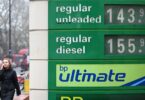
Oil is the big fear. Brent crude was trading at just over $70 a barrel only weeks ago. Now it’s surged past $100 for the first time in almost four years. Goldman Sachs warns it could soon hit $150. That would smash the $116 peak seen after Russia invaded Ukraine in 2022, which triggered a brutal energy shock. Iran has threatened to attack any tanker that braves the Strait of Hormuz, the narrow shipping lane that carries roughly a fifth of the world’s oil supply. The threat alone is enough to scare insurers and shipowners away.
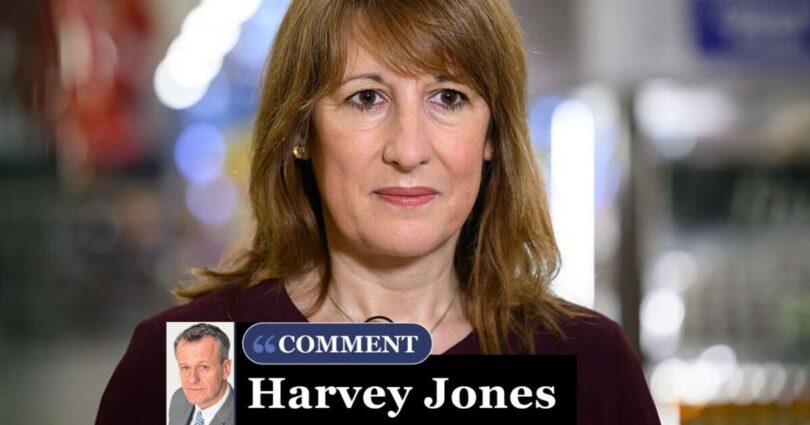
Qatar’s energy minister Saad al-Kaabi has warned the crisis could bring down economies, others fear it may plunge the world into recession. All of this is frightening enough. Yet two other global threats are growing, and may sink chancellor Rachel Reeves faint hopes of salvaging the UK economy.
The first is the fear that the artificial intelligence boom is turning into a giant bubble. Vast sums are being spent on equipment and energy before anyone knows how much revenue the technology will generate. Some fear China could undercut the industry with cheaper AI alternatives.
Former Goldman Sachs boss Lloyd Blankfein says he can smell another financial crisis brewing and warns markets may once again be ignoring hidden risks. He sees worrying parallels with the 2008 banking crash, when money flooded into fashionable sectors without enough scrutiny.
AI is not only hugely expensive to build. It also threatens to disrupt established companies that underpin the wider economy, wiping out profits and jobs, and leaving banks nursing massive losses on their business loans.
As if those two threats weren’t bad enough, a third is gathering pace. This one sits deep inside the financial system itself and looks like a straight re-run of the financial crisis.
After the 2008 crash, regulators tightened banking rules. But much of the lending has shifted into the fast-growing world of private credit, often called shadow banking. Private credit has exploded from $4trillion in 2008 to $16trillion today, mostly loaned to companies that struggle to borrow from mainstream banks. Regulation is far lighter and we don’t know who’s lending what. Losses can remain hidden for years before exploding. Experts say that day is getting closer.
If the Iran crisis deepens, ordinary Britons will pay the price through higher energy bills, rising food costs and steeper mortgage rates. The pound is already falling, driving up import costs. If the other two threats catch fear, the impact doesn’t bear thinking about.
Reeves is joining emergency G7 discussions about the oil shock today. Her room for manoeuvre is limited. Britain entered this crisis with fragile public finances after years of failure by the Tories and Labour. Three separate storms are gathering at once, with nowhere to hide. Neither for the country, nor the chancellor.
Source link