
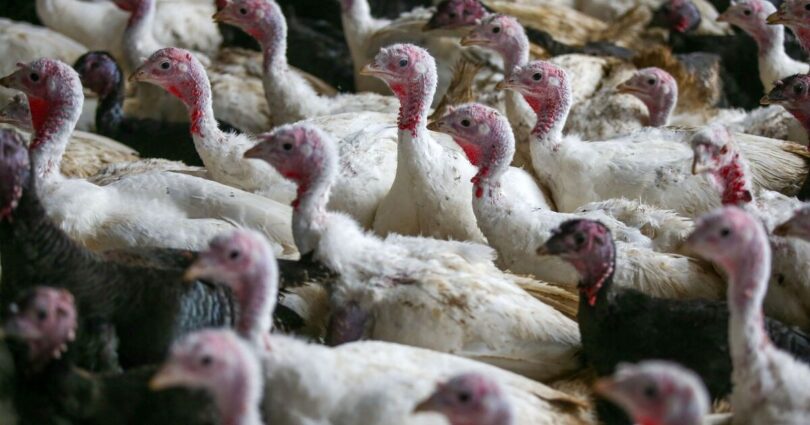
The rising threat of bird flu has prompted a major breakthrough in the battle against the disease. UK veterinarians have begun vaccinating turkeys in England’s inaugural trial, testing cutting-edge vaccines to shield the poultry sector from devastating outbreaks.
The 24-week study, which kicked off on Thursday, targets a small flock under tight regulatory oversight, using UK and EU-approved jabs against highly pathogenic avian influenza (HPAI). While routine poultry vaccination remains banned in Britain, the Veterinary Medicines Directorate green-lit this supervised experiment to probe the shots’ real-world effectiveness.
Turkeys were picked as the focus due to their extreme vulnerability—outbreaks trigger swift, sky-high death rates, wreaking havoc on farms. The trial will gauge how well the vaccines bolster immunity, integrate with surveillance to safeguard trade, and slot into the UK’s broader disease control arsenal, alongside ironclad biosecurity protocols.
This comes amid a grim backdrop of unprecedented HPAI surges across the UK and Europe since 2020, hammering both farmed and wild birds. Mass culls have inflicted heavy financial blows and emotional turmoil on keepers, with annual costs to government and industry ballooning to £174 million.
Biosecurity Minister Baroness Hayman said: « We know what a terrible toll this disease has annually on our farmers and poultry sector.
« The start of new vaccine trials are a significant step forward in our fight against this disease and will contribute to global research efforts. We are hopeful vaccines can be used in the UK as an additional tool to control bird flu to protect the UK’s biosecurity and food supply. »
UK Chief Veterinary Officer Christine Middlemiss echoed the optimism, calling the trial « really key » for grasping HPAI vaccine deployment. She said: « They have the potential to be a really valuable additional tool in helping us protect birds from infection. » She urged keepers to maintain « stringent biosecurity » as the top defence: « I urge all bird keepers to continue to take the steps needed to prevent avian influenza spreading onto their premises. »
Animal and Plant Health Agency expert Professor Ashley Banyard underlined the global scourge since 2020, with fluctuating impacts making predictions tricky. He explained: « Assessing the ability of these vaccines to generate an immune response in turkeys will give a good indication of the suitability of these vaccines as tools to protect birds against H5N1. »
The initiative stems from a July 2025 report by the UK HPAI vaccination taskforce, which flagged turkeys for a domestic field trial after weighing costs, benefits, and sector challenges. Findings could shape final policy recommendations, potentially reshaping how Britain confronts this persistent threat.
Beyond borders, similar efforts are underway: Italy and the Netherlands are conducting their own HPAI vaccine trials as nations grapple with shared woes. In the UK, the emphasis remains on vigilance—spotting symptoms early and reporting promptly to stem spread.
Defra officials underscore that biosecurity basics, like secure housing and hygiene, are non-negotiable. However, with wild birds fuelling transmissions, vaccines could offer a vital extra layer, easing the strain on an industry already battered by supply chain woes and rising feed costs.
This trial marks a pivot from reactive culling to proactive prevention, potentially sparing millions in losses and countless birds.
As Europe reels from fresh waves—France alone culled over 20 million birds in recent seasons—the UK’s data could inform international strategies and foster cross-border collaboration.
As the trial unfolds over the coming months, experts will monitor antibody responses, side effects, and trade implications closely. Early results could pave the way for wider rollout, but only if efficacy shines through without compromising exports—a delicate balance in a global market wary of vaccinated meat.
Source link