
Wegovy and Mounjaro are approved by the NHS for weight loss use (Image: OMaltseva via Getty Images)
People using obesity injections such as Mounjaro or Wegovy will regain nearly two thirds of their lost weight within 12 months of discontinuing the medication, research indicates. Nevertheless, the post-treatment weight gain period appears to level off, with patients successfully maintaining a quarter of their weight loss.
Despite this finding, researchers have cautioned that should the regained weight consist primarily of fat, users could « be worse off than before » commencing the injections. Weight loss injections belong to a drug class called GLP-1 receptor agonists, which function by replicating the GLP-1 hormone to control blood sugar and insulin levels.
Originally developed to treat type 2 diabetes, specific variants including semaglutide (Wegovy) and Mounjaro (tirzepatide) have received NHS approval for addressing obesity. The research conducted by University of Cambridge scientists examined six trials encompassing over 3,200 participants.
The analysis reveals that following a 52-week cessation period from the injections, individuals typically regained 60% of their shed weight. Scientists stated the results, published in eClinicalMedicine, « indicate that there is significant weight regain following cessation of GLP-1RAs ».
Yet by 60 weeks, researchers observed the regain beginning to plateau at 75% of the initial weight lost, implying 25% could be maintained long-term. Brajan Budini, a medical student at the School of Clinical Medicine and Trinity College, University of Cambridge, said: « Drugs such as Ozempic and Wegovy act like brakes on our appetite, making us feel full sooner, which means we eat less and therefore lose weight.

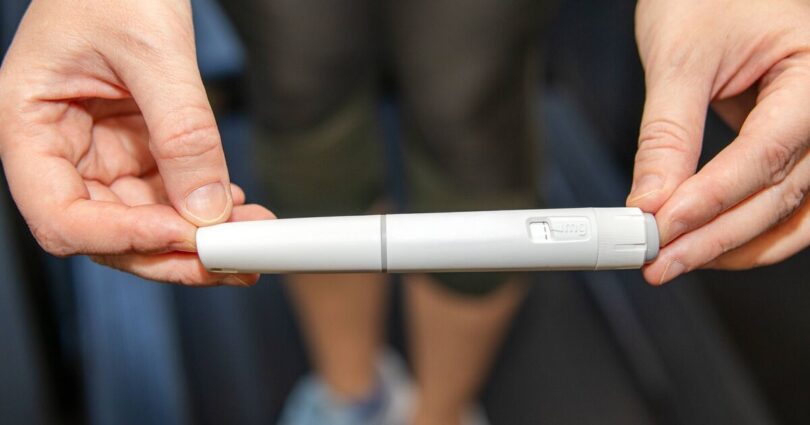
A pen injection is used (Image: Peter Dazeley via Getty Images)
Read more: Key HMRC update with deadline ‘in weeks’ before limit slashed
Read more: ‘Our newborn died days after I was told my pain was trapped wind’
« When people stop taking them, they are essentially taking their foot off the brake and this can lead to rapid weight regain.
« Our projections show that even though people regain most of the weight they have lost, they still maintain some of the weight loss, but what we currently don’t know is if the same proportion of lean mass is recovered.
« If the regained weight is disproportionately fat, individuals may ultimately be worse off than before in their fat-to-lean mass ratio, which may have adverse consequences for their health. »
Calls for more trials
Researchers have urged that future trials must investigate how GLP-1RAs affect the composition of weight loss both during and following treatment. They further noted that existing prescribing guidelines for GLP-1RAs « are inconsistent and largely inadequate in addressing the risk of weight regain following treatment cessation ».
For instance, the National Institute for Health and Care Excellence advises that patients should receive semaglutide for weight loss for a maximum of two years, though no such restriction exists for tirzepatide.
Steven Luo, a fellow medical student at the School of Clinical Medicine and Trinity College, added: « When stopping weight loss drugs, doctors and patients should be aware of the potential for weight regain and consider ways to mitigate this risk.
« It’s important that people are given advice on improving their diet and exercise, rather than relying solely on the drugs, as this may help them maintain good habits when they stop taking them. »
Source link