
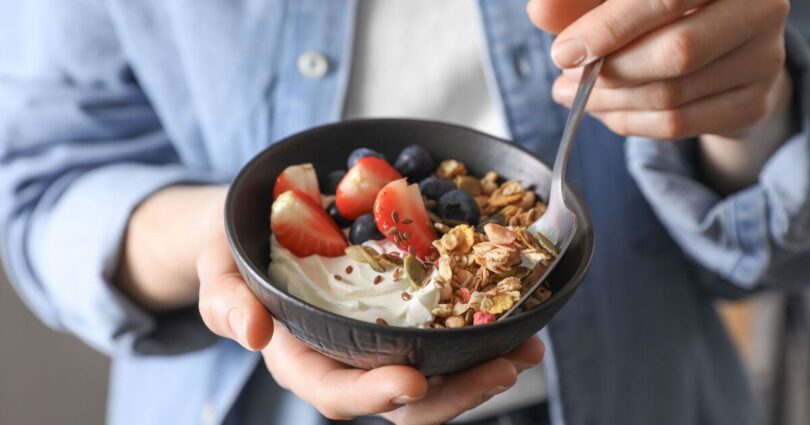
‘No added sugar’ levels may be misleading, Which? warned (Image: Getty)
Some common muesli products sold in UK supermarkets may be no healthier than chocolate cereals, shocking research has revealed. A Which? investigation looked at 86 products and found that while muesli was generally a healthy choice, some of the most expensive, premium-branded items were among the least healthy on the cereal aisle.
The products were assessed using the 2004 Nutrient Profiling Model, which takes into account factors such as fibre, protein, sugar, saturated fat and calorie content to score foods out of 100. A higher score indicates a healthier product. Which? found that Nestlé’s KitKat cereal, which, like the chocolate bar, is made of chocolate and wafers, scored 56 out 100. It contained 24.9g of sugar per 100g.
Read more: Eating these 2 fruits together can boost heart health and prevent diabetes
Read more: ‘Highly effective’ daily weight loss pill can fight diabetes
Muesli products that scored lower than the chocolate cereal included Mornflake Classic Fruit and Nut Muesli, which scored 60 after receiving maximum penalties for sugar (18.5g per 100g) due to its high dried fruit content.
Eat Natural Gluten Free Buckwheat Toasted Muesli was high in protein and fibre from various seeds, but scored 50. It contained 15.3g of sugar per 100g and high saturated fat from coconut (7.4g per 100g).
The lowest-scoring item in Which?’s study was Raw Gorilla Keto Mighty Muesli, which scored 46. It is a specialist keto diet product and therefore low in sugar (1.5g per 100g), but it was higher in calories than standard muesli and is very high in saturated fat (12.2g per 100g) due to coconut chips.
The investigation found that the label “no added sugar” could be misleading, as many products still contained high levels of sugar due to dried fruit.
Which? nutritionist Shefalee Loth said: “Muesli remains a solid option for a balanced breakfast, thanks to its combination of convenience and fibre. However, not all blends are created equal.
“Expensive price tags, premium branding, and wellness buzzwords don’t guarantee nutritional value.
“In fact, the healthiest options are often the simplest and the cheapest, so it’s worth reading the small print if you are worried about sugar or saturated fat.”
*** Ensure our latest news headlines always appear at the top of your Google Search by making us a Preferred Source. Click here to activate or add us as Preferred Source in your Google search settings. ***
A Mornflake spokesperson said it offered a wide range of breakfast cereals for different consumers. They added: “More than 90% of our range is HFSS compliant; the product reviewed is one of only a small number classified as HFSS, but it contains no added sugar and is high in fibre.
“We provide clear ingredient and nutritional information, including front-of-pack labelling, so shoppers can make informed choices. We have not received consumer complaints regarding the nutritional content of this product.”
A spokesperson from RawGorilla said: « Comparing a specialist kept product to sugary ultra-processed cereals highlights the limits of the NPM method, a ‘one-size-fits-all’ mathematical model.
« Unlike refined cereals, which cause a quick sugar spike, our ingredients provide slow-release energy. We urge shoppers to look past the maths and read the ingredients list; real health is about the quality of the food, not just a calorie count. »
Source link