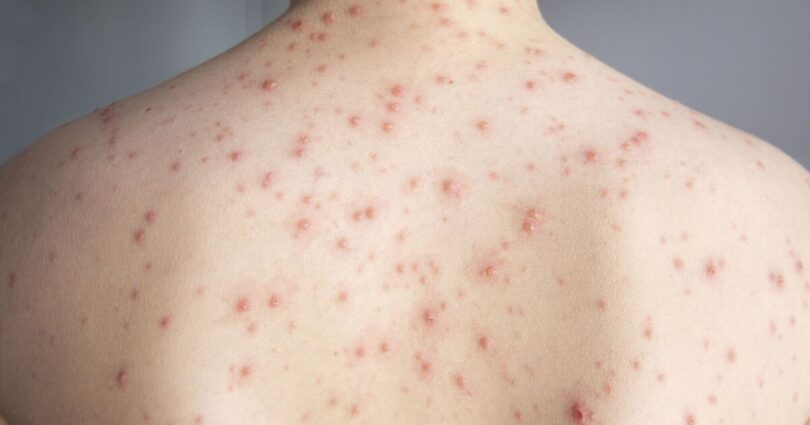
The NHS is urging parents and adults to watch out for a distinctive purple rash that doesn’t disappear under pressure – a hallmark sign of Henoch-Schönlein purpura (HSP). While the relatively uncommon condition is typically mild, health officials caution it can occasionally lead to severe kidney problems.
HSP affects the small blood vessels and is most commonly seen in children, though adults can contract it too. According to the health service, the main symptom is a raised red or purple rash that looks like small bruises or blood spots, typically appearing on the legs, bottom, tummy, chest or back. The rash may be joined by joint pain and inflammation, particularly in the knees and ankles, along with abdominal discomfort.
The NHS advises booking a GP appointment or ringing 111 urgently if you or your child develops a rash which doesn’t disappear when a clear glass is pressed firmly against it – even if you appear healthy otherwise
To carry out the glass test, simply press a clear glass against the skin and see whether the spots stay visible through it.
For individuals with brown or black skin, however, doctors recommend checking lighter areas such as the palms of hands or soles of feet, and conducting the test multiple times.
Research published in the British Medical Journal reports incidence rates of around 10 to 20 cases per 100,000 children each year in the UK.
There is no specific cure for HSP, and it typically clears up on its own within a matter of weeks. The NHS advises that resting at home is generally adequate, and paracetamol may be taken to relieve discomfort — however, ibuprofen should be avoided without seeking medical guidance first, as it could have an adverse effect on the kidneys.
Patients will ordinarily require routine check-ups over a period of six to 12 months to keep track of kidney function, including urine tests and blood pressure monitoring.
NICE confirms that the vast majority of patients make a complete recovery, though a small proportion may develop lasting kidney complications, making follow-up appointments essential.
Official NHS guidance advises anyone who notices a return of symptoms to seek medical attention without delay, as HSP can recur. So remain vigilant and ensure a glass is close to hand.
Ensure our latest headlines always appear at the top of your Google Search by making us a Preferred Source. Click here to activate or add us as your Preferred Source in your Google search settings.
Source link