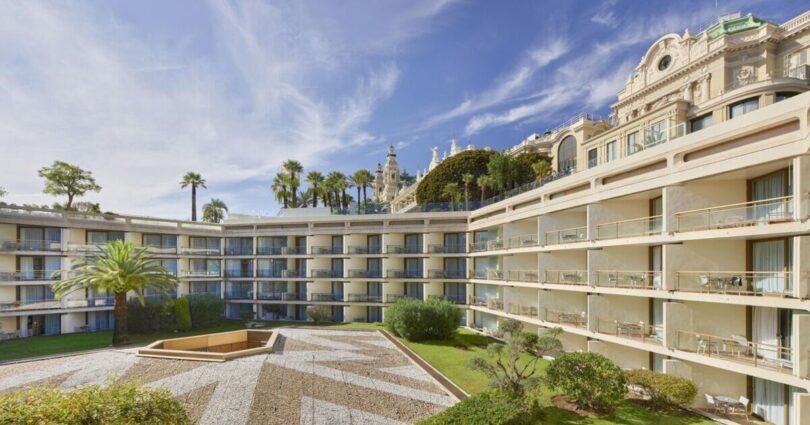
Fairmont Monte Carlo is built partly on pillars over the Mediterranean Sea directly overlooking the famous F1 hairpin turn (Image: Fairmont Monte Carlo)
Monaco is often associated with superyachts and extreme wealth, but spending time in the principality revealed a quieter, more everyday side that rarely makes the headlines. Ahead of my flight to Nice, where I would then transfer to Monaco, I imagined a cabin filled with glamorous passengers dressed for the destination.
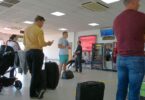
Despite it being just a two-hour flight, I assumed there would be an unspoken dress code — and that I should probably follow suit, ready to arrive in full glamour and head straight into the day. What surprised me most was how unfounded that assumption turned out to be. The majority of passengers were dressed casually, many in jeans, which instantly set the tone.
Travelling in the off-season made sense, as it brought together business-savvy travellers — those with hybrid roles and flexible schedules, but it was still unexpected to find Monaco-bound passengers dressed much like they would be on any short-haul European flight.
READ MORE: Lewis Hamilton’s incredible property portfolio where star spends F1 break
READ MORE: F1 considering unique rule change at upcoming Grand Prix as major fear surfaces

The famous F1 hairpin turn is an iconic view from the hotel room balconies (Image: Fairmont Monte Carlo)
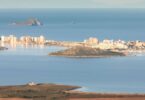
The 40-minute drive from Nice to Monaco was equally relaxed. The transfer felt seamless, passing crystal-clear waters with the winter sun reflecting across the Mediterranean Sea. It was tranquil, unhurried, and far removed from the fast-paced image Monaco is often given.
When I think of Monaco, Formula 1 immediately comes to mind, and staying at Fairmont Monte Carlo places you right at the heart of it. The hotel overlooks the iconic F1 Hairpin turn, a surreal sight to experience in person, even if the weather provided a familiar reminder of home — rain falling heavily, much like a typical day in the UK.
Visiting during the off-season meant the streets outside the hotel were quieter than expected. Rather than rows of luxury cars lined up at the entrance, there was a noticeable calm, which allowed me to explore the hotel at my own pace. One detail I hadn’t anticipated was the hotel’s ship-inspired design. Built in the 1970s on the site of Monte Carlo’s former railway station, the six-sided structure leans into a maritime theme, evoking the feeling of a luxury cruise liner overlooking the sea.
Subtle touches, from porthole-style doors to a large canvas-like canopy above the entrance, reflect its Mediterranean setting and coastal location.
Fresh from a full renovation, the five-star Fairmont Monte Carlo feels in confident stride. It is Monaco’s largest hotel and one of the biggest resorts in Europe, yet it rarely feels overwhelming. The entrance is surprisingly low-key, masking the scale of what lies beyond and creating a sense of intimacy you wouldn’t expect from a property of this size.
Its central location also makes it an ideal base for exploring Monaco on foot, with the casino, harbour, and seafront all within easy walking distance. Monaco’s reputation for wealth didn’t happen by accident. In the mid-19th century, the principality faced significant financial pressure until the opening of the Monte Carlo Casino transformed its fortunes.
Profits from gambling helped stabilise the economy, and in 1869, Prince Charles III abolished personal income tax — a decision that would go on to shape Monaco’s global identity.
Walking past the casino today, with its chandeliers, polished marble, and quiet confidence, it’s striking to consider how one building played such a central role in shaping modern Monaco.

Opulence surrounds Fairmont offering panoramic views overlooking the Mediterranean Sea (Image: Fairmont Monte Carlo)
One afternoon, heavy rain set in, and many nearby shops closed as it was Saint Dévote’s Day, one of Monaco’s most important national celebrations, honouring the principality’s patron saint. Each year, it is marked by religious ceremonies and traditional events, which can bring parts of the city to a standstill, leaving the streets noticeably quieter.
With little else open, I walked to Café de Paris to try its famously indulgent hot chocolate, priced at £6. It’s not something I would usually splurge on, but as a one-off experience, it felt worth it — a warm pause from the rain and a glimpse into the slower rhythm of Monaco outside peak season.
The casino itself, free to enter before the gaming rooms, felt elegant rather than intimidating, with staff dressed in tuxedos and an atmosphere that encouraged curiosity rather than excess. Another highlight was visiting Port Hercule, where rows of superyachts immediately dominate the view, their sheer scale impossible to ignore.
Seeing them up close gives a clear sense of Monaco’s reputation for wealth, yet the harbour itself feels surprisingly relaxed. The flat promenade makes it easy to walk the length of the port, passing joggers, locals and visitors as working boats sit alongside some of the most expensive yachts in the world.
As evening approaches, lights from the surrounding buildings reflect across the water, turning the harbour into one of the most atmospheric places to wander in the principality.
It’s easy to make assumptions about destinations that are heavily glamorised and often made to feel inaccessible. What I found instead was a peaceful retreat during the low season — calm, walkable and easy to explore without heavy crowds. Away from the spectacle, Monaco revealed a quieter side that felt far more inviting than I ever expected.
Source link