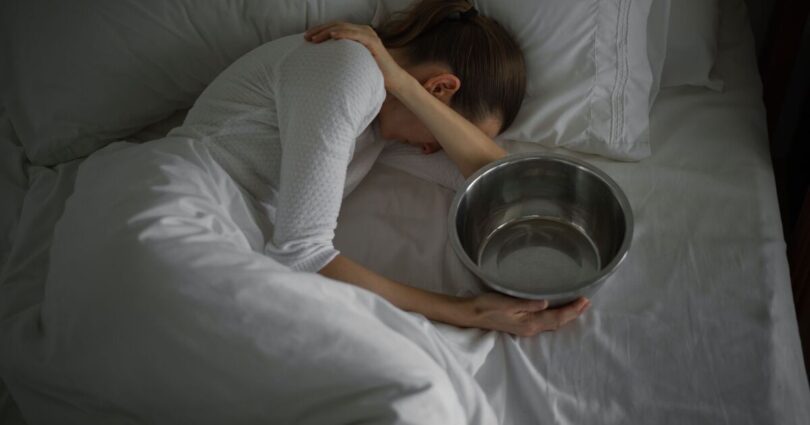
Getting sick in the winter months is almost unavoidable. When it’s cold, people spend more time inside and this means bugs and viruses can spread easily between people. There is one bug that is currently making the rounds of A&E departments across the country, making thousands of people miserable.
This virus is norovirus, also known as the winter vomiting bug. It can cause vomiting, diarrhoea, stomach cramps, fever, aches and chills. It’s a nasty bug, and one doctor is warning that it can cause permanent complications. Dr Angad Dhillon, a consultant gastroenterologist on healthcare platform Doctify has shared insights into long-term effects of norovirus and strategies for recovery.
He said: “Norovirus is often called ‘stomach flu,’ but it’s not related to influenza at all – it’s a completely different virus with unique symptoms and treatment needs.
« As few as 10 virus particles can cause a norovirus infection, making it one of the most contagious viruses, and symptoms typically appear 12–48 hours after exposure and last one to three days.”
If you come down with norovirus, there is a chance you could be one of the unlucky few who experience prolonged side effects.
Dr Dhillon said: “Some individuals may experience prolonged effects, such as post-infectious irritable bowel syndrome (PI-IBS), gut microbiota imbalance, and chronic infection of immunocompromised individuals. »
According to Dr Dhillon, up to 30% of people who experience severe gastroenteritis can develop PI-IBS. The symptoms include abdominal pain, bloating and changes in bowel habits which can last for months.
Norovirus can also cause a gut microbiome imbalance as it infects enterocytes – the cells that line the intestines.
This can damage the gut barrier function as well as its ability to absorb nutrients. This can cause digestive issues like bloating and irregular bowel habits.
If you are immunocompromised and get norovirus, you can experience prolonged viral shedding, which can lead to chronic diarrhoea and weight loss.
Dr Dhillon added: “Recovery from norovirus isn’t just about waiting for symptoms to stop – actively supporting your gut’s healing process can prevent long-term issues.
« To support recovery and restore gut health after norovirus, specific advice around hydration, diet, probiotics and monitoring symptoms should be adhered to.”
What to do if you get norovirus
To help yourself heal properly from norovirus and lower your risk of developing long term complications there are a few things you can do.
Source link