
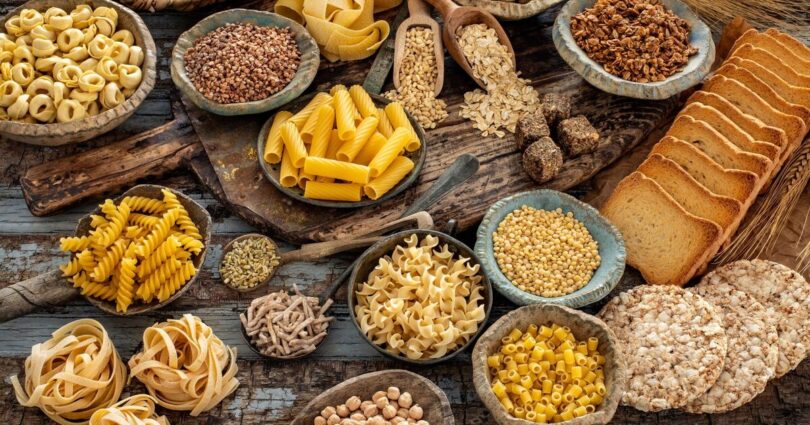
A new study, published in the Frontiers of Nutrition journal, has revealed a possible link between dietary habits and autism. The scientists were exploring whether long-term food choices might be genetically influenced, altering a person’s immune response and impacting autism symptoms.
The research determined that whilst diet doesn’t cause or cure autism, certain foods can affect the body’s immune function in ways that may play a minor part in autism’s development. The researchers, from Shandong University Qilu Hospital in China, identified three specific foods that might be connected to the neurodevelopmental condition; wholemeal pasta, cheese spread and bananas. However, each showed different impacts – with some potentially negative and some positive.
The study had did have limitations, with specialists from News Medical highlighting that the results should be ‘interpreted cautiously‘ and are ‘best viewed as a signal rather than proof of protection’.
People who consumed more foods containing high gluten levels, such as wholemeal pasta, and high casein content, like cheese spread, were found to potentially face increased genetic susceptibility to the disorder.
The academics also referenced other research that suggest gluten-free and casein-free diets might help with symptoms in people with autism, though these investigations haven’t reached conclusive findings.
Children with autism are recognised for having difficulties with emotional control, digestive issues, food intolerances and immune system problems. This prompted scientists to examine bananas, a nutrient-rich fruit containing tryptophan and dietary fibre.
Tryptophan is crucial for the body’s serotonin production, which assists in managing emotions. The fibre content in bananas can also support gut health. These properties may help alleviate certain symptoms in autistic children.
The scientists stressed: « It is important to note that while bananas may have these potential benefits for children with autism, they do not have a direct therapeutic effect on autism. »
People with a genetic predisposition to consume more bananas showed lower rates of autism. However, the experts acknowledged this might be linked to those eating more bananas generally maintaining better overall diets.
They concluded: « Although this study provides important insights, more extensive epidemiological and experimental studies are needed to validate these findings.
« Our study suggests that the intake of wholemeal pasta and cheese spread is a risk factor for ASD. These findings may help clinicians enhance health education for patients with ASD and encourage them to change their dietary factors.
« These findings highlight the complexity of immune system responses and set the stage for further exploration of the role of immunomodulation in the pathogenesis of ASD. »
Researchers hope this study will help families make better-informed choices about their diet.
Source link