
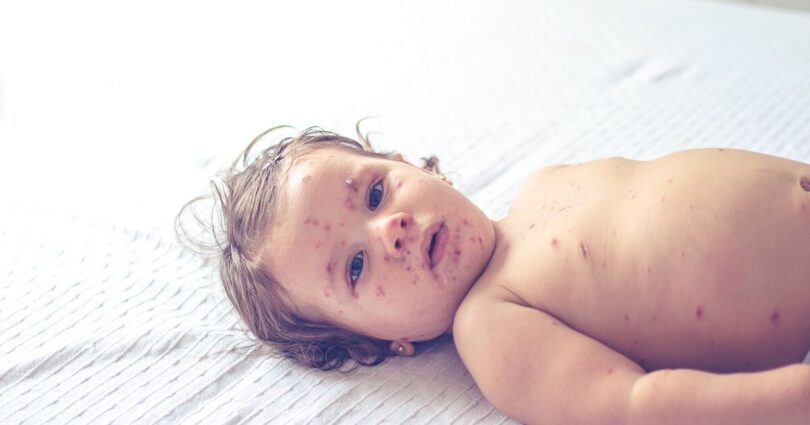
The UK Health Security Agency (UKHSA) is urging the public to recognise when they need to contact a GP urgently, after 96 new cases of a grim Victorian-era illness have emerged in England.
Recent figures reveal nearly 100 laboratory-confirmed cases were recorded over a span of just under five weeks (from January to February 2).
UKHSA said X, previously Twitter: « A blotchy, sometimes raised, rash is one of the signs of measles. It’s not usually itchy, and it can look different on different skin tones. If you think you or your child has measles, contact your GP practice urgently or call NHS 111. »
Measles is extremely infectious, with a single person capable of transmitting the virus to approximately 15 other unvaccinated people.
The illness typically begins with symptoms resembling a common cold, developing into a rash several days later and sometimes small spots within the mouth.
Early symptoms include a raised temperature, blocked or running nose, persistent cough, sneezing, and inflamed, painful, watery eyes. The rash generally starts on the face and behind the ears before spreading throughout the body.
The spots may join together to create patchy areas and are usually not itchy. On pale skin, the rash looks brown or red, though it can be harder to detect on darker complexions.
NHS guidance states that if you’ve received both MMR vaccine doses or have contracted measles before, catching the disease again is extremely improbable.
People are advised to contact 111 or request an urgent GP appointment if they suspect they or their child might have measles, if their child is under one year old and has been in contact with a measles patient, or if they’ve been in close contact with someone with measles and are pregnant or have a weakened immune system.
Urgent medical advice should also be sought if:
- you or your child have a high temperature that hasn’t reduced after taking paracetamol or ibuprofen
- you or your child are experiencing difficulty breathing – you may feel more breathless than usual
- your baby or young child isn’t feeding well, or is having fewer feeds or fluids than usual
- you or your child are urinating less than usual (or your baby has fewer wet nappies)
- you or your child feel extremely unwell, or you’re concerned something is seriously wrong
Anyone with measles should stop going to work, school or nursery for at least four days from when the rash first appears, and should avoid close contact with babies and anyone who is pregnant or has a compromised immune system.
Source link